NEWS
02
Sep

Diamond Dressing Tools: The Complete Guide to Precision Grinding Wheel Dressing

Share:
In precision manufacturing, the quality of your finished parts depends heavily on one often-overlooked component: the condition of your grinding wheel. A dull, loaded, or out-of-shape grinding wheel can ruin surface finishes, compromise dimensional accuracy, and increase production costs. This is where diamond dressing tools come in. As the industry standard for maintaining grinding wheel performance, diamond dressing tools restore wheel geometry, expose fresh abrasive grains, and ensure consistent grinding results. In this comprehensive guide, we explore what diamond dressing tools are, the different types available, how to select the right one for your application, and best practices for achieving optimal grinding performance.

What Are Diamond Dressing Tools?

                               Diamond Dressing Tools


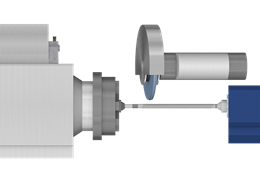
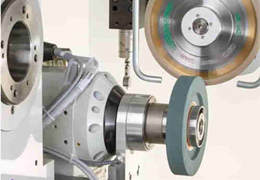
Diamond dressing tools are precision-engineered instruments used to true, clean, and condition grinding wheels in precision grinding operations. Made with industrial-grade diamonds bonded to a steel shank, these tools work by traversing across the rotating grinding wheel surface to remove worn abrasive grains, bond material, and workpiece debris. The process—known as wheel dressing—serves two critical functions: truing (restoring the wheel's geometric shape and concentricity) and dressing (exposing fresh, sharp cutting edges and creating the proper grain spacing). Unlike conventional dressing methods, diamond dressing tools offer exceptional hardness, wear resistance, and precision, making them indispensable for high-precision grinding applications where tolerances are measured in microns.

Why Diamond Dressing Is Critical for Precision Grinding


                                Diamond Dressing Tools

A grinding wheel's performance degrades over time through three primary mechanisms: grain dulling, wheel loading, and loss of geometric form. When abrasive grains become dull, they generate excessive heat and friction, leading to poor surface finish and potential workpiece burn. Wheel loading occurs when workpiece material becomes embedded in the wheel's pores, reducing cutting efficiency and causing chatter. Finally, uneven wear can cause the wheel to lose its intended shape, resulting in dimensional inaccuracies.
Regular dressing with diamond tools addresses all three issues by removing worn grains, clearing loaded debris, and restoring the wheel's original profile. The result is improved surface finish (Ra values), tighter dimensional tolerances, longer wheel life, reduced grinding forces, and lower overall production costs. For industries such as aerospace, automotive, and bearing manufacturing where part quality is non-negotiable, consistent diamond dressing is not optional—it is a critical process requirement.

Types of Diamond Dressing Tools


Single-Point Diamond Dresser


                            Diamond Dressing Tools

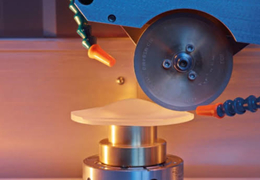
The single-point diamond dresser is the most traditional and widely used type of diamond dressing tool. It features a single, large natural or synthetic diamond stone mounted at the tip of a steel shank. During operation, the diamond point contacts the rotating grinding wheel and traverses across its surface to true and dress the wheel. Single-point diamond dressers are versatile, cost-effective, and suitable for dressing a wide range of grinding wheels on various types of grinding machines, including surface grinders, cylindrical grinders, and tool and cutter grinders. They are ideal for general-purpose dressing applications where complex profiles are not required. The diamond can be rotated periodically to expose a fresh cutting edge, extending the tool's service life.

Single-Point Diamond Profiling Dresser

The single-point diamond profiling dresser is specifically designed for dressing grinding wheels with complex, non-linear profiles on CNC grinding machines. Unlike standard single-point dressers, profiling dressers feature a diamond tip with a specific geometry and are mounted at precise angles to follow intricate wheel contours. When used with CNC-controlled dressing cycles, these tools can reproduce complex profiles—such as involute gear forms, thread profiles, and custom bearing races—with exceptional accuracy. The single-point design ensures continuous contact with the wheel surface, resulting in smooth, precise profile generation. Single-point diamond profiling dressers are essential tools in gear manufacturing, automotive transmission production, and any application requiring complex wheel forms on CNC grinders.

Shaped (Form) Diamond Dresser

Shaped diamond dressers, also known as form diamond dressers, are designed for the precise dressing of formed or profile grinding wheels. Instead of a single point, these tools feature a pre-formed diamond-impregnated surface that matches the inverse of the desired wheel profile. When pressed against the rotating grinding wheel, the shaped dresser transfers its form to the wheel in a single plunge operation. This method is faster and more repeatable than single-point traversing dressing, making it ideal for high-volume production environments where consistent wheel profiles are critical. Shaped diamond dressers are commonly used in applications such as gear grinding, thread grinding, and bearing race grinding, where the wheel must maintain a precise form over long production runs.

Powdered Diamond Dresser

Powdered diamond dressers, also called diamond-impregnated dressers or multi-point diamond dressers, feature a face impregnated with a matrix of small diamond particles rather than a single large stone. This multi-point design distributes dressing forces across many small cutting edges, reducing wheel surface damage and producing a finer, more uniform wheel finish. Powdered diamond dressers are highly versatile and can be used for both straight-cut and profile dressing of cylindrical, surface, and centerless grinding wheels. They are particularly effective for dressing fine-grit wheels and superabrasive wheels (CBN and diamond wheels), where single-point dressers may cause excessive wheel wear or surface damage. The distributed diamond particles also provide longer tool life compared to single-point dressers in many applications.

How to Choose the Right Diamond Dressing Tool


Selecting the appropriate diamond dressing tool depends on several key factors:
  1. Grinding Machine Type: CNC grinders with programmable dressing cycles are best suited for single-point profiling dressers, while manual machines may use standard single-point dressers.
  2. Wheel Profile Complexity: Simple flat or cylindrical wheels require standard single-point dressers; complex profiles need profiling or shaped dressers.
  3. Grinding Wheel Type: Conventional aluminum oxide and silicon carbide wheels work well with all dresser types, while superabrasive CBN/diamond wheels often require powdered diamond dressers.
  4. Production Volume: High-volume environments benefit from shaped dressers for speed and repeatability; low-volume or job-shop settings may prefer versatile single-point dressers.
  5. Surface Finish Requirements: Finer finishes are achieved with powdered diamond dressers, which produce a smoother wheel surface.
  6. Budget and Tool Life: Single-point dressers offer lower upfront cost, while powdered and shaped dressers provide longer service life in appropriate applications.

Industry Applications


                                 Diamond Dressing Tools

Diamond dressing tools serve a wide range of industries where precision grinding is critical:
  • CNC Grinding: Universal and specialized CNC grinding machines rely on diamond dressers for automated wheel conditioning.
  • Gear Manufacturing: Gear grinders use profiling and shaped dressers to maintain precise involute profiles.
  • Bearing Manufacturing: Both inner and outer bearing race grinding requires accurate wheel profiling with diamond dressers.
  • Aerospace: Turbine blades, landing gear components, and engine parts demand micron-level precision achieved through proper wheel dressing.
  • Automotive Components: Crankshafts, camshafts, transmission gears, and brake components depend on consistent grinding quality.
  • Tool and Die Manufacturing: Cutting tools, punches, and dies require sharp, accurately dressed grinding wheels.

Best Practices for Grinding Wheel Dressing


To maximize the effectiveness of diamond dressing tools and grinding wheel performance:
  1. Dress Regularly: Establish a dressing schedule based on production volume and wheel condition rather than waiting for visible quality issues.
  2. Use Correct Dressing Parameters: Follow recommended traverse rates, depth of cut, and dressing passes for your specific wheel and application.
  3. Maintain Tool Sharpness: Rotate single-point diamonds periodically to expose fresh cutting edges; replace tools when diamond wear exceeds acceptable limits.
  4. Ensure Proper Coolant: Use adequate grinding fluid during dressing to flush debris and prevent thermal damage to both the dresser and wheel.
  5. Verify Wheel Condition: Use surface roughness testers and profile measuring instruments to confirm dressing effectiveness.
  6. Train Operators: Ensure personnel understand proper dressing techniques and can identify wheel conditions requiring attention.

Why Choose Our Diamond Dressing Tools


We specialize in manufacturing high-quality diamond dressing tools for precision grinding applications. Our products are crafted using premium-grade industrial diamonds and robust steel shanks, ensuring exceptional durability and performance. Backed by a rigorous quality control system, every tool meets strict dimensional and performance standards before leaving our facility. We offer professional customization services to meet specific application requirements, including custom diamond sizes, shank dimensions, and profile geometries. Our solutions serve CNC grinding, gear manufacturing, bearing manufacturing, aerospace, and automotive industries worldwide.

Conclusion

Diamond dressing tools are essential for maintaining grinding wheel performance and achieving consistent, high-quality grinding results. By understanding the different types of diamond dressers—single-point, profiling, shaped, and powdered—and matching them to your specific application, you can improve surface finish, extend wheel life, and reduce production costs. Whether you operate a CNC grinder in a high-volume automotive plant or a surface grinder in a job shop, investing in quality diamond dressing tools and following best practices will pay dividends in part quality and operational efficiency.
 
 
FOLLOW US
This Blog keeps our valued customers informed of important Radiac News and Events, and in the industries we serve.
Copyright © 2003-2023 More SuperHard Products Co., Ltd
Home
Whatsapp
E-mail
Inquiry