NEWS
10
Oct

Resin Diamond Sanding Belts for Roll Grinding: From "Cutting" to "Finishing"

Share:


The Roll-Grinding Pain Point: Fast Roughing Is Not the Same as Good Finishing


In roll grinding, diamond sanding belts are nothing new. For decades the default choice has been the electroplated diamond belt—a single layer of nickel-fixed diamond grains with a tall, sharp protrusion that cuts aggressively and removes stock fast. But as surface-quality requirements on modern paper machine rolls, film-casting rolls, and thermal-spray-coated steel rolls keep rising, more and more maintenance shops are hitting a wall: the roughing stage is fast, yet the finishing and polishing stage is unstable, uneven, and short on belt life. That is exactly where resin diamond sanding belts earn their place. They do not replace the electroplated belt for heavy stock removal—they close the gap between "it cuts" and "it finishes to spec."


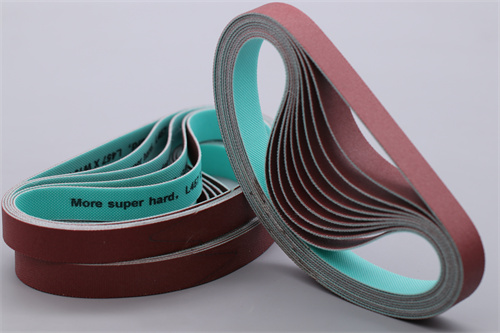
                                 resin diamond grinding belt


Resin vs. Electroplated: The Structural Difference


To understand why resin belts behave differently, start with the bond structure. An electroplated belt deposits a single layer of diamond particles onto a substrate by nickel electroforming. That single layer is its entire cutting resource: once the grains wear, dull, or shed, the belt is finished. In large-area continuous roll grinding, belt life is measured in "how many rolls we can grind before changing," and surface consistency degrades gradually as the grains wear.
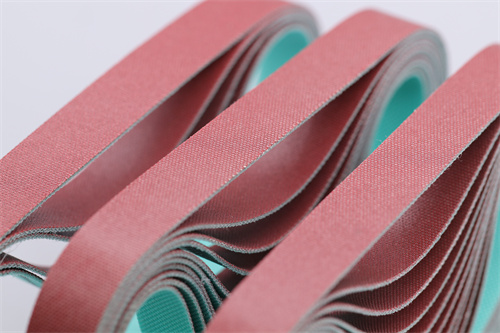
A resin diamond belt is a multilayer structure. Diamond micron-powder is mixed with phenolic (or epoxy) resin into a slurry, coated onto a cloth or polyester-film backing, and cured into an abrasive layer of measurable thickness. As the top layer of diamond wears, fresh grains underneath are continuously exposed—an in-built self-sharpening effect. The direct benefit is that grinding efficiency does not collapse suddenly over the belt’s life, and the surface roughness of every roll leaves the machine more consistent than the last.

Aspect Electroplated Diamond Belt Resin Diamond Belt
Grain structure Single nickel-fixed layer Multilayer resin-bonded diamond
Cutting behavior Very sharp, aggressive, fast stock removal Softer, steady, self-sharpening
Life consistency Efficiency drops sharply as grains dull Consistent finish across full belt life
Surface finish Good for roughing; may leave chatter marks Mirror-smooth; low chatter and micro-scratches
Cooling Metal bond conducts heat; coolant usually required Hard-resin variants optimized for dry grinding
Best stage Heavy stock removal, rough grinding Finishing, polishing, thermal-spray roll refurbishment


Four Real Advantages for Roll Manufacturers and Rebuild Shops


                         resin diamond grinding belt


1. Superior surface finish—critical in fine grinding and polishing.
At the same grit size, a resin diamond belt produces a lower and more uniform surface roughness than an electroplated belt. Two reasons stand out. First, the resin bond has a degree of elasticity, so cutting action is gentler and micro-chatter marks from rigid impact are reduced. Second, the multilayer structure exposes grains at a more uniform protrusion height, leaving finer, denser cutting traces. For rolls that demand mirror-level finish—especially paper machine rolls, optical-film casting rolls, and precision-calender rolls—resin belts are effectively irreplaceable in the fine-grinding and polishing steps.

2. Better dry-grinding adaptability—less dependence on coolant systems.

The metal bond of an electroplated belt conducts heat quickly into the substrate; under heavy dry grinding, this risks substrate peeling or rupture, so coolant is almost mandatory. Resin bonds have lower thermal conductivity but better heat resistance, and specially formulated hard-resin diamond belts are optimized for dry grinding, meeting waterproof and oil-resistant process requirements. This is a major practical advantage for roll-rebuild environments where coolant is limited by equipment constraints or where the processing area cannot tolerate large volumes of fluid.

3. One belt system from roughing to mirror polishing—fewer process handoffs.

Hard-resin diamond belts can be built with a thicker abrasive layer, with grit coverage running from roughing grades all the way down to micron-level superfinishing. The same belt family can therefore carry a roll from stock removal through mirror polishing—eliminating the traditional handoff between "rough-grind with a wheel, then finish with a separate polishing film." For thermal-spray roll refurbishment (tungsten carbide, chromium oxide, or TBC coatings), this continuity delivers a particularly visible productivity gain.

4. Longer real life—lower cost per roll over the full cycle.

Belt-unit price is not the right benchmark. Resin belts usually cost more per piece than electroplated belts, but when you measure "cost per ground roll," the conclusion often flips. Electroplated belts drop off sharply once grains dull, forcing early replacement; resin belts hold a steady cut through self-sharpening, reducing changeover frequency and labor. Industry field data suggests that switching to resin diamond belts can lower total consumable cost by about 25% over a sustained production cycle.


When Not to Choose a Resin Belt (and How to Set It Up Right)


Resin belts are not universally better. If the job is heavy stock removal on a rough roll with loose surface-tolerance requirements, the sharpness and aggressive cut of an electroplated belt still win—resin belts cut more gently and can feel "too soft" under aggressive roughing. Resin belts are also more sensitive to grinding pressure: too little pressure prevents grains from properly protruding and can cause glazing, while too much pressure accelerates resin wear. Correct contact-wheel setup, belt speed, and infeed pressure matter more with resin than with electroplated belts.
The industry trend is clear: precision roll shops in Europe have used hard-resin diamond belt systems for years, with deep case histories on tungsten-carbide-coated rolls and thermal-barrier-coated rolls. In Asian markets, polyester-film-backed diamond-resin lapping belts are now widely specified for ceramic rolls and tungsten-carbide rolls, with suppliers reporting 50%+ improvement in cutting efficiency versus older resin lapping films. The winning strategy for roll shops is not to replace electroplated belts wholesale, but to pair them with resin belts so each stage—roughing, finish grinding, mirror polishing—uses the right tool.


Conclusion: Close the "Cuts but Does Not Finish" Gap


When roll surface requirements approach the limits of your grinding equipment, the multilayer structure and gentle, consistent cut of a resin diamond belt are often the breakthrough. It does not replace the electroplated belt on heavy roughing; it fills the finishing gap where "it cuts" stops being good enough. For paper rolls, film rolls, calender rolls, and thermal-spray-coated rebuilds, a resin diamond belt is the difference between a roll that is ground and a roll that is ready to run.


Why Choose Our Resin Diamond Belts for Roll Grinding


We manufacture hard-resin diamond sanding belts and lapping films for roll grinding, finishing, and polishing—with multilayer resin bonding, polyester-film and cloth backings, grit ranges from roughing to micron-level superfinishing, and dry-grind formulations for rebuild shops. We support custom widths, lengths, grit, and bond hardness, plus application engineering for contact-wheel geometry, belt speed, and pressure setup. Send us your roll material (steel, tungsten carbide, chromium oxide, ceramic), target Ra, and current process—we will recommend the right belt and grit progression.


Frequently Asked Questions


Q: What is the difference between resin and electroplated diamond belts?
A: Electroplated belts use one nickel-fixed diamond layer: very sharp and aggressive, but life ends when that layer wears. Resin belts use a multilayer resin bond: as the top diamond wears, fresh grains expose themselves, giving a steady cut, consistent surface finish, and longer life per belt.

Q: When should I use an electroplated belt vs. a resin belt for roll grinding?

A: Use electroplated belts for heavy stock removal and rough grinding where surface finish is less critical. Use resin belts for fine grinding, mirror polishing, and thermal-spray-coated roll refurbishment where consistent Ra, low chatter, and dry-grind capability matter.

Q: Can resin diamond belts be used for dry grinding?

A: Yes—hard-resin formulations are specifically optimized for dry grinding. Their lower heat conductivity and improved heat resistance reduce substrate damage, making them suitable for rebuild shops with limited coolant systems.

Q: How much does switching to resin belts reduce consumable cost?

A: Field data from roll shops reports roughly a 25% reduction in total consumable cost after switching to resin diamond belts, driven by longer effective life, fewer belt changes, and more consistent surface finish across the belt lifecycle.

Q: What surfaces are resin diamond belts best for on rolls?

A: Paper machine rolls, optical-film casting rolls, calender rolls, ceramic rolls, tungsten-carbide-coated rolls, chromium-oxide-coated rolls, and thermal-barrier-coated (TBC) rolls—where mirror-level finish and low micro-chatter are required.

Q: Are resin belts sensitive to grinding pressure?

A: Yes. Too little pressure prevents grain protrusion and causes glazing; too much accelerates resin wear. Contact-wheel hardness, belt speed, and infeed pressure must be tuned to the grit and bond—application engineering support is recommended for new setups.
 
FOLLOW US
This Blog keeps our valued customers informed of important Radiac News and Events, and in the industries we serve.
Copyright © 2003-2023 More SuperHard Products Co., Ltd
Home
Whatsapp
E-mail
Inquiry