Titanium alloys including TC4, TA15 and other aviation-grade titanium materials are widely adopted across aerospace, medical implantation, 3C electronics and chemical equipment industries due to their outstanding strength-to-weight ratio, corrosion resistance and biocompatibility. However, titanium alloy brings severe polishing challenges for manufacturers: poor thermal conductivity causes rapid localized heat accumulation, high chemical activity triggers instant surface oxidation blackening, and soft metallic texture easily generates micro-scratches, subsurface damage and hydrogen embrittlement during high-speed grinding. Traditional polishing workflows relying on 180# grinding wheels, graded 180#–2000# sandpaper and final wool felt wheels struggle to reach stable Ra <0.1μm mirror standards, with many production batches only hitting Ra 0.129μm and failing high-end client quality thresholds.
Our customized porous polyurethane polishing pads solve all titanium polishing bottlenecks through elastic microporous foam structure, excellent chemical resistance and controllable cutting force. Our full-series PU polishing consumables cover rough grinding, intermediate polishing, fine polishing and ultra-mirror finishing for titanium alloy, supporting CNC in-machine polishing, CMP chemical mechanical planarization and mass automatic polishing production lines. Factory clients currently using traditional sandpaper + wool wheel workflows can upgrade their processes with our polyurethane polishing pads to stably achieve Ra ≤0.02μm flawless mirror surfaces without frequent consumable replacement.
Our product lineup includes four core polyurethane polishing forms to match diverse client equipment and processing demands:
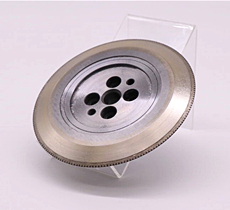
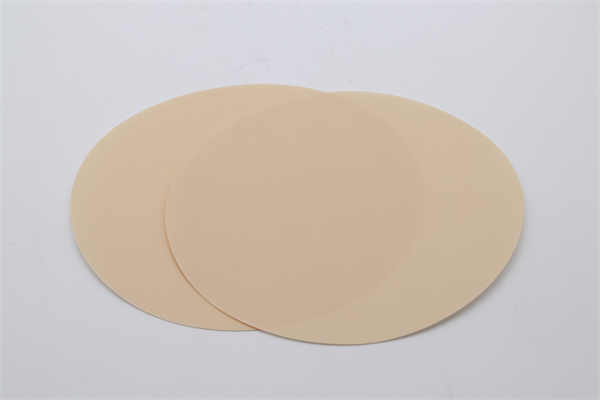
1. Stacked circular PU polishing sheets (Figure 1): Matching dedicated fixed polishing equipment for flat titanium large-area rough & intermediate polishing
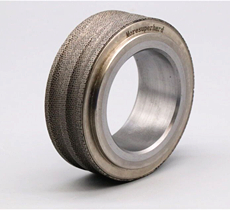
2. Mounted foam abrasive bobs (Figure 2): Mini cylindrical PU grinding heads with metal shanks for small hole, narrow groove and miniature titanium part deburring
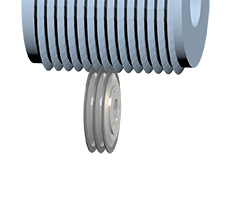
3. Bulk raw polyurethane foam blocks (Figure 3): Blank raw material sheets for clients to self-cut, mold and customize polishing wheels of any size, shape and thickness per production requirements
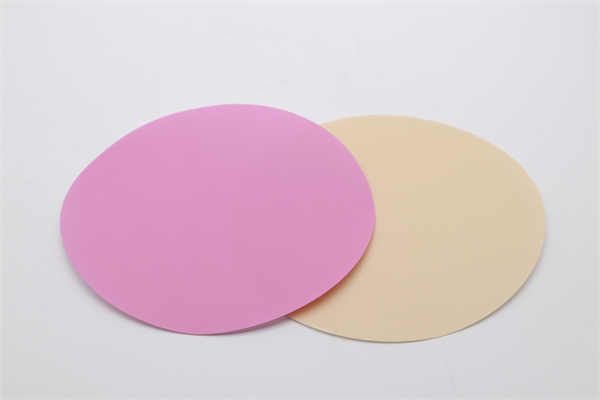
4. Hook-and-loop grid patterned dual-layer polishing discs (Figure 4): Universal adhesive-back polishing pads compatible with most standard industrial polishing machines, specially engineered for curved titanium workpieces paired with W1 grinding fluid
Our core product positioning targets professional precision polishing equipment for curved titanium alloy components, paired with matched W1 grinding liquid to maximize surface flatness and gloss uniformity. For clients still retaining wool wheel final finishing steps, we provide optimized hybrid process routes: grind primary textures down to target roughness via grinding wheels and polyurethane pads first, then conduct final mirror brightening with wool wheels to cut polishing time and reduce wool wheel wear loss. This optimized process proposal has been shared with our cooperative manufacturing clients for production trial verification.
1. Polyurethane Polishing Pad Material & Hardness Selection for Titanium Alloy Machining
Matching pad hardness and foam structure directly determines titanium alloy removal efficiency and post-polish surface quality. We classify three exclusive PU polishing pad formulas customized for different titanium polishing stages:
1.1 Solid Foam Polyurethane Pad (Shore A85–A90 Hardness)
High-hardness solid microporous PU pads feature minimal deformation and powerful planarization performance, designated for rough polishing and stock removal workflows. The rigid foam matrix efficiently erases CNC tool marks, surface oxidation scales, casting defects and deep scratches on titanium alloy blanks. Ideal for initial material removal on thick aerospace titanium structural parts, with consistent cutting power without rapid surface collapse during long-hour continuous polishing.
1.2 Polyurethane Nonwoven Composite Pad (Shore A70–A80 Hardness)
Medium-elastic composite pads combine polyurethane foam and reinforced nonwoven fiber layers, delivering superior surface conformity for curved, contoured titanium workpieces. Uniform micropore distribution ensures stable grinding fluid delivery and efficient metal chip evacuation, balancing material removal speed and surface flatness for intermediate polishing and semi-fine finishing procedures. This pad eliminates coarse scratches left by rough polishing pads and lays a uniform base for subsequent mirror processing.
1.3 Black Polyurethane Damping Soft Pad (Ultra-Fine Microporous Structure)
Soft, low-abrasion damping PU pads contain no sharp embedded abrasive particles, designed exclusively for final mirror polishing of medical implant and high-grade aviation titanium components. The ultra-soft elastic buffer prevents edge chipping, part collapse and subsurface metallurgical damage, meeting strict biocompatibility and fatigue resistance standards for medical titanium bone screws, joint prosthetics and turbine blades.
2. Supporting Consumables: Polishing Liquid & Abrasive Grain Matching for Titanium Alloy
Titanium’s high chemical reactivity forbids generic aluminum oxide abrasives, which trigger high-temperature surface reactions and permanent dark oxidation stains. We separate matched grinding media and polishing fluid formulas by polishing stage:
2.1 Rough & Intermediate Polishing Stage (Tool Mark & Oxide Layer Removal)
- Abrasive Grain: Diamond micro-powder as primary choice – 8–15μm grit for rough stock removal, 3–5μm grit for intermediate scratch elimination; CBN micro-powder serves as secondary alternative for high-hardness titanium variants.
- Polishing Fluid Formula: Ethylene glycol or water-based cooling liquid with anti-rust sodium nitrite additives, pH value controlled between 8–9. The alkaline coolant forms a protective thin film on titanium surfaces to inhibit oxidation blackening and hydrogen embrittlement, two most common fatal defects in titanium grinding.
2.2 Fine & Mirror Polishing Stage (Target Ra ≤0.05μm, Ultimate Ra ≤0.02μm)
- Abrasive Grain: Nano-scale colloidal silica (20–50nm spherical particles). Spherical silica particles carry no sharp edges, enabling synergistic chemical mechanical polishing (CMP) without introducing micro-scratches or subsurface damage to precision titanium parts.
- Polishing Liquid Formula: Alkaline silica sol polishing fluid with pH 9.0–10.5, compounded with hydrogen peroxide oxidants and citric acid complexing agents. The formula gently softens titanium surface oxidation layers for effortless removal, generating ultra-smooth mirror surfaces with consistent reflectivity.
3. Standard Polishing Process Parameters for Polyurethane Pads on Titanium Alloy
All process parameters below are validated through mass production trials for automated polishing lines, balancing removal rate, surface quality and pad service life. Strict temperature and speed control is mandatory to avoid titanium thermal deformation and oxidation discoloration.
3.1 Universal Core Technical Parameters
- Polishing Pressure: 0.2–0.4MPa for rough polishing, 0.3–0.5MPa for fine mirror polishing. Excess pressure causes titanium workpiece deformation, local overheating and accelerated polyurethane pad aging & pore clogging.
- Spindle Rotation Speed: 700–1500 RPM maximum; operation above 1800 RPM is strictly prohibited. High RPM generates concentrated thermal input, triggering rapid titanium surface oxidation and uneven black discoloration.
- Linear Polishing Speed: 900–1800 m/min, matching foam pad cutting performance and real-time cooling efficiency.
- Temperature Control: Maintain continuous working temperature between 15–35°C with wet grinding as standard operation mode. Intermittent cooling liquid spraying prevents titanium metallurgical phase transformation and thickened oxide film formation.
3.2 Step-by-Step Complete Polishing Workflow
- Rough Polishing (Tool Mark Elimination): Shore A90 solid PU pad + 8–15μm diamond polishing fluid, spindle speed 900–1200 RPM, pressure 0.3–0.4MPa, material removal rate 1–1.2μm per minute. Fully erase deep CNC cutting lines and surface oxidation layers.
- Intermediate Polishing (Surface Leveling): Shore A75 composite PU pad + 3–5μm diamond polishing fluid, spindle speed 800–1000 RPM, pressure 0.2–0.3MPa. Remove micro-scratches left by rough polishing and homogenize surface roughness.
- Mirror Fine Polishing: Soft polyurethane damping pad + 20nm colloidal silica polishing fluid, spindle speed 700–900 RPM, pressure 0.3–0.5MPa. Achieve ultra-mirror finish with surface roughness Ra ≤0.02μm, meeting aerospace and medical precision standards.
4. Advantages & Limitations of Polyurethane Polishing Pads for Titanium Machining
Core Competitive Advantages
- Full-process compatibility: Single PU pad system covers rough grinding through mirror finishing, cutting downtime from frequent consumable switching and boosting automated batch production efficiency.
- Low-damage conformal polishing: Elastic foam buffer prevents titanium edge collapse, corner chipping and surface deformation, delivering outstanding fitting performance for curved, irregular and complex titanium geometries.
- Extended service life & stable performance: Acid-alkali resistant, tear-resistant dense foam maintains consistent cutting power over long shifts; service lifespan reaches 3–5 times that of traditional wool, fabric and flannel polishing pads.
- High cleanliness for medical-grade applications: Open microporous foam structure is easy to rinse and clean, leaving zero fiber residue on polished titanium surfaces, fully compliant with biocompatibility requirements for implantable medical devices.
Product Limitations & Countermeasures
- Risk of micro-scratches during rough polishing: High-hardness solid PU pads create fine scratches if pressure or rotation speed exceeds recommended thresholds. Solution: Strictly follow standardized process parameters and conduct regular pad surface dressing before production batches.
- Higher upfront material cost: Complex closed-cell foam foaming technology raises manufacturing costs compared to low-cost sandpaper and wool wheels. Solution: Longer service life offsets replacement frequency, reducing total long-term consumable expenditure for mass production workshops.
- Thermal aging under sustained high temperature: Prolonged overheating clogs foam micropores and hardens the pad body, drastically dropping polishing consistency. Solution: Install automatic cooling spray systems and split long polishing cycles into intermittent processing runs.
5. Common Titanium Polishing Defects & Targeted Fixes
- Post-polish black titanium surfaces Root Cause: Insufficient cooling liquid supply, excessive spindle speed causing localized overheating. Solution: Reduce rotation speed, increase continuous coolant spraying flow, add anti-rust additives to polishing fluid to suppress oxidation.
- Uniform micro-scratches & surface pits Root Cause: Blocked foam pad micropores, agglomerated oversized abrasive particles in polishing fluid. Solution: Regularly dress and clean polyurethane pads between batches, switch to high-dispersion nano-grade silica polishing liquid for mirror stages.
- Slow material removal efficiency Root Cause: Over-soft polishing pad hardness, undersized abrasive grain matching rough polishing requirements. Solution: Upgrade to Shore A85–A90 high-hardness solid PU pads and pair with large-size diamond micro-powder grinding fluid for stock removal steps.
- Uneven mirror gloss & inconsistent reflectivity Root Cause: Uneven wear across the polishing pad surface, unbalanced clamping pressure distribution on titanium workpieces. Solution: Dress PU pads to restore flatness before production, optimize fixture contact layout to distribute polishing pressure evenly across part surfaces.
6. Global Industry Application Scenarios for Our Titanium Polyurethane Polishing Pads
Our PU polishing consumables serve precision manufacturing enterprises across 4 major high-end global sectors, solving universal titanium finishing pain points worldwide:
- Aerospace & Aviation: Titanium turbine blades, engine housings and aircraft structural components. Achieve Ra ≤0.05μm mirror surfaces to elevate material fatigue resistance and flight safety standards.
- Medical Implant Manufacturing: Titanium bone screws, joint prostheses, dental titanium frames and implant fixtures. Zero-defect ultra-smooth polishing eliminates surface burrs that trigger human tissue irritation, meeting strict medical biocompatibility regulations.
- 3C Precision Consumer Electronics: Titanium alloy smartphone midframes, luxury watch cases and wearable device metal shells. Uniform mirror gloss improves product texture, scratch resistance and long-term anti-corrosion performance.
- Chemical Industrial Equipment: Titanium alloy pipeline fittings, corrosion-resistant valves and reaction vessel linings. Smooth polished surfaces reduce medium adhesion and extend service life under harsh acid-base working environments.
Conclusion
For manufacturers struggling with unstable titanium mirror polishing, inconsistent Ra values, frequent consumable replacement and high reject rates, our full series customized polyurethane polishing pads deliver a one-stop, cost-effective precision finishing solution. We supply raw PU foam blanks for client self-customization, standard hook-and-loop polishing discs, miniature mounted abrasive bobs and large-format stacked polishing sheets, fully adaptable to all CNC, CMP and automated polishing equipment models. Our technical team provides free tailored polishing process parameter consultation matched with W1 grinding compound for curved titanium workpieces, helping global clients lower scrap rates and reach stable Ra ≤0.02μm mirror finishing standards. Contact us today to receive free sample testing and professional titanium polishing technical support.