NEWS
08
Sep

How to Install & Use a Diamond Rotary Dresser?

Share:

What Is a Diamond Rotary Dresser and Why Proper Installation Matters


                            Diamond Rotary Dresser


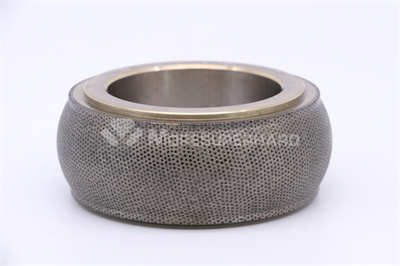
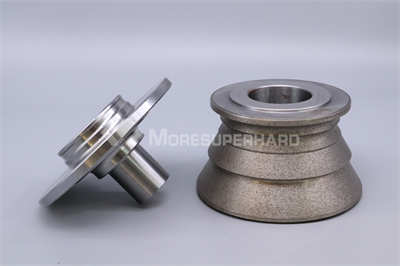
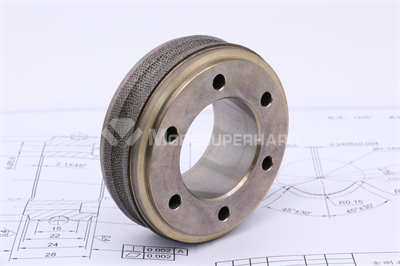
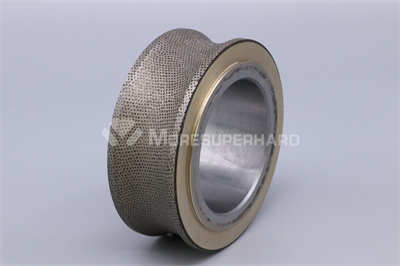
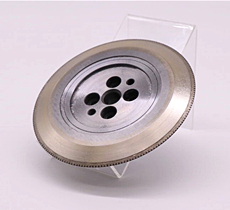
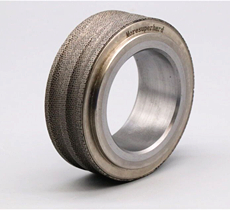
A diamond rotary dresser—also called a diamond roller or rotary diamond dressing roller—is a precision tool embedded with industrial diamonds that rotates against a grinding wheel to transfer complex profiles with sub-micron accuracy. Widely used in gear grinding, bearing manufacturing, automotive, and aerospace production, it dresses CBN and conventional grinding wheels faster and more repeatably than single-point dressers. However, even the highest-quality diamond roller will underperform if installed incorrectly. Improper installation causes runout errors, profile inaccuracy, premature diamond wear, and even catastrophic tool failure. This guide walks you through the complete installation, operation, and maintenance procedure to ensure optimal dresser performance, extended tool life, and consistent grinding quality.

Step 1: Pre-Installation Preparation


Before mounting the dresser, complete these three inspection and cleaning steps:
  1. Inspect the dresser: Check the diamond layer and steel body for any burrs, nicks, deformation, or shipping damage. Do not install a damaged dresser.
  2. Clean the dresser: Remove all oil, grease, and dust from the inner bore and mounting surfaces using a clean, lint-free cloth and solvent. Contamination causes inaccurate seating and runout.
  3. Prepare the spindle: Thoroughly clean the spindle end face and inspect the spindle outer diameter runout with a dial indicator. The spindle itself must run true before the dresser is mounted.

Step 2: Rotary Dresser Installation


                           Rotary Diamond Roll

2.1 Installation and Alignment


Apply a small amount of lubricant to the spindle and the dresser end face/bore. Slowly and vertically push the dresser onto the spindle, maintaining alignment throughout. If misalignment occurs during installation, gently tap the side of the dresser with a rubber or wooden mallet to correct it. Never use steel hammers or metal tools—they can crack the diamond layer or deform the steel body.

2.2 Clearance Handling (Tight Fits)


If the fit between the dresser bore and spindle is too tight for manual installation, use thermal expansion: immerse the dresser in hot water or hot oil at approximately 70°C (158°F) for about 10 seconds. Remove it quickly, wipe it clean, apply lubricant, and install it onto the spindle while it is still warm. The expanded bore will slide on easily and contract to a precise fit as it cools.

2.3 Runout Inspection


After installation, use a dial indicator to check both axial runout and radial runout of the metal body of the dresser. Acceptable runout depends on your application but should generally be below 0.005 mm (0.0002 inches) for precision profile dressing. Important: Do not directly measure the diamond layer surface with a dial indicator—the hard diamond grains will damage the indicator tip and give false readings. Always measure the steel body.

Step 3: Operation Parameters and Best Practices

 
                            Rotary Diamond Roll

3.1 Rotation Speed Ratio


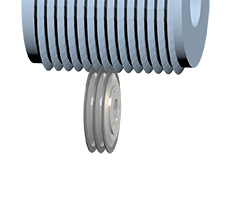
The recommended speed ratio between the rotary dresser and the grinding wheel is 0.2–0.4. Down-dressing is generally recommended, meaning the grinding wheel and dresser rotate in the same direction at the contact point. This produces a smoother wheel surface and reduces dressing forces compared to up-dressing. Always verify the speed ratio against the dresser manufacturer's specifications for your specific wheel and profile.

3.2 Dressing Coolant


High-pressure grinding fluid should be directed precisely at the dressing area between the dresser and grinding wheel. A neutral oil-based coolant is recommended whenever possible. Excessive acidity or alkalinity in the coolant can corrode the metal bond and accelerate diamond grain loss. Ensure coolant filtration is maintained at ≤10 µm to prevent abrasive particles from scratching the dresser surface.

3.3 Dressing Precautions

 
  • Avoid impact contact between the grinding wheel and dresser—engage gradually with controlled feed.
  • Do not start or stop the machine while the dresser is in contact with the grinding wheel.
  • Select dressing time, feed rate, and spark-out time (delay after reaching final size) based on your specific application, grinding wheel type, and material requirements.
  • Monitor dressing power (spindle current) as an indicator of wheel condition and dresser sharpness.

Step 4: Removal and Storage


Before removing the dresser, thoroughly clean both the dresser surface and spindle to prevent foreign particles from scratching the bore during removal. During storage, do not subject the diamond layer to heavy pressure. Store dressers flat in individual protective cases or on soft racks. Vertical storage is prohibited—it can cause the diamond layer to develop flat spots or cracks over time. Keep dressers in a dry, temperature-controlled environment to prevent corrosion of the steel body.

Common Installation Mistakes to Avoid

 
  • Striking the dresser with metal tools during installation or removal—always use rubber or wooden mallets.
  • Skipping runout inspection—even 0.01 mm of runout can cause visible profile errors in ground parts.
  • Measuring runout on the diamond layer instead of the steel body—damages the indicator and gives false readings.
  • Using incorrect speed ratio or up-dressing when down-dressing is specified—causes poor wheel finish and excessive dresser wear.
  • Storing dressers vertically or without protection—leads to diamond layer damage and corrosion.
Troubleshooting Quick Reference:

Symptom Likely Cause Solution
Excessive runout after installation Dirty spindle or bore; misaligned mounting Clean all surfaces; reinstall carefully; check spindle runout
Poor wheel surface finish Wrong speed ratio; up-dressing; dull dresser Set ratio to 0.2–0.4; use down-dressing; inspect diamond sharpness
Dresser wears rapidly Insufficient coolant; acidic/alkaline fluid; impact contact Use neutral oil-based coolant; direct high-pressure flow; avoid impact
Profile errors in ground parts Dresser runout; incorrect dressing parameters; worn diamond Check runout <0.005 mm; verify feed rate & spark-out; replace dresser

Why Choose Our Diamond Rotary Dressers


                              Rotary Diamond Roll


We manufacture high-precision diamond rotary dressers using electroplated, sintered, and CVD diamond construction, with profile accuracy down to ±2 µm. Our dressers are engineered for gear grinding, bearing race grinding, automotive component grinding, and aerospace applications. We offer full customization—including custom profiles, diamond grades, bond types, and dimensions—to match your specific grinding wheel and machine. Our application engineers provide installation support, parameter optimization, and troubleshooting to ensure you get maximum performance and service life from every dresser. Contact us today for a customized diamond rotary dresser solution and technical consultation.

Conclusion


Proper installation and operation of a diamond rotary dresser are essential for achieving sub-micron profile accuracy, long tool life, and consistent grinding quality. By following the four-step process—pre-installation inspection and cleaning, careful installation with runout verification, correct operation parameters (0.2–0.4 speed ratio, down-dressing, neutral coolant), and proper removal and flat storage—you can maximize dresser performance and avoid costly failures. Avoiding common mistakes like metal tool strikes, skipped runout checks, and vertical storage will further extend service life. Working with a knowledgeable supplier who provides installation support and custom solutions ensures your diamond rotary dressers deliver optimal results in high-precision grinding operations.

Frequently Asked Questions


Q: What speed ratio should I use for a diamond rotary dresser?
A: The recommended speed ratio between the rotary dresser and grinding wheel is 0.2–0.4. Down-dressing (both rotating in the same direction at the contact point) is generally preferred for smoother wheel surfaces and lower dressing forces. Always follow the manufacturer's specifications for your specific application.

Q: How do I check runout on a diamond rotary dresser?
A: After installation, use a dial indicator to measure axial and radial runout on the steel body of the dresser—never directly on the diamond layer, which will damage the indicator tip. For precision profile dressing, runout should generally be below 0.005 mm (0.0002 inches). Also verify the spindle itself runs true before mounting the dresser.

Q: What should I do if the dresser bore is too tight to install?
A: Use thermal expansion: immerse the dresser in hot water or hot oil at approximately 70°C (158°F) for about 10 seconds. Remove it quickly, wipe clean, apply lubricant, and install while warm. The bore will expand slightly for easy installation and contract to a precise fit as it cools. Never force it with metal tools.

Q: Can I use water-based coolant with a diamond rotary dresser?
A: A neutral oil-based coolant is recommended whenever possible. Water-based coolants can be used if they are neutral pH and properly filtered (≤10 µm). Excessive acidity or alkalinity will corrode the metal bond and accelerate diamond grain loss. Always direct high-pressure coolant precisely at the dressing contact zone.

Q: How long does a diamond rotary dresser last?
A: Service life depends on the application, grinding wheel type, dressing parameters, and maintenance. With proper installation, correct speed ratios, adequate coolant, and regular runout checks, a quality diamond rotary dresser can last from several months to over a year in production use. Monitoring dressing power and profile accuracy helps determine when replacement is needed.

Q: Can diamond rotary dressers be reconditioned?
A: In some cases, yes—depending on the bond type and amount of remaining diamond. Electroplated dressers are typically single-use, while sintered and CVD dressers may be re-plated or re-diamonded if the steel body is undamaged. Contact your supplier for an evaluation. Always store dressers properly to preserve reconditioning potential.
 
FOLLOW US
This Blog keeps our valued customers informed of important Radiac News and Events, and in the industries we serve.
Copyright © 2003-2023 More SuperHard Products Co., Ltd
Home
Whatsapp
E-mail
Inquiry