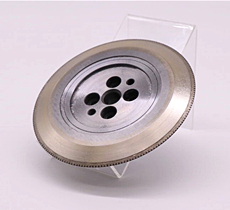
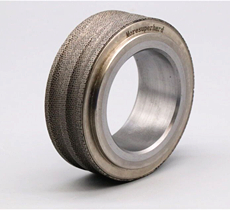
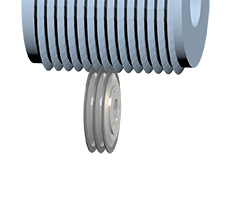
In precision cylindrical grinding operations, grinding wheel collision with workpieces—commonly referred to as "撞床" or machine crash—represents one of the most costly and disruptive incidents that manufacturers face. CBN grinding wheels, while delivering exceptional hardness and cutting performance, are inherently brittle, making them particularly susceptible to chipping and damage during unexpected impacts. This comprehensive guide examines the root causes of grinding wheel collisions in CBN cylindrical grinding applications and provides proven solutions to prevent costly downtime, wheel damage, and workpiece rejection.
Understanding the Impact of Grinding Wheel Collisions
When a CBN grinding wheel collides with a workpiece, the consequences extend far beyond immediate wheel damage. Manufacturers worldwide face significant economic losses from these incidents:
- Direct Equipment Damage: CBN wheel chipping, edge breakage, or complete fracture
- Workpiece Scrap: Damaged or destroyed workpieces requiring rework or disposal
- Machine Tool Damage: Potential harm to spindle bearings, tool holders, and machine structure
- Production Downtime: Extended production halts for equipment repair and setup restoration
- Quality Degradation: Compromised grinding accuracy and surface finish following impact
- Safety Hazards: Flying debris and potential operator injury risks
Given CBN grinding wheels' high hardness combined with brittleness, even minor collisions can cause permanent wheel damage, making prevention far more cost-effective than repair or replacement.
Primary Cause 1: Workpiece Blank Quality Issues – The Number One Culprit
Analysis across hundreds of customer sites reveals that workpiece blank problems represent the single most common cause of grinding wheel collisions. These issues arise from inadequate pre-processing quality control and inconsistent material preparation.
Dimensional Variation and Uneven Stock Allowance
Workpiece blanks frequently arrive at grinding operations with significant dimensional variations, uneven stock distribution, and inconsistent outer diameters. When the grinding wheel encounters these variations during programmed feed movements, unexpected contact or excessive material engagement can trigger impact loads leading to wheel damage.
Risk Factors:
- Inconsistent blank outer diameters between batches
- Uneven stock allowance along workpiece length
- Excessive material removal requirements per pass
- Dimensional errors from upstream machining operations
Proven Solutions:
- Implement 100% Incoming Dimensional Inspection
- Establish formal incoming quality control procedures for all workpiece blanks
- Measure and document critical dimensions for every incoming batch
- Reject non-conforming blanks before they reach grinding operations
- Work with upstream suppliers to improve blank dimensional consistency
- Standardize Stock Allowance Through Rough Grinding
- Add a dedicated rough grinding operation to normalize stock allowance
- Bring all workpieces to consistent dimensions before precision finishing
- Reduce material removal requirements for finish grinding passes
- Create stable and predictable grinding conditions for consistent results
- Add Rough Grinding Stages to Reduce Per-Pass Depth
- Separate rough and finish grinding operations for better process control
- Reduce individual pass cutting depths to manageable levels
- Minimize shock loads on the grinding wheel and machine structure
- Improve overall surface quality and dimensional accuracy
Workpiece Steps, Burrs, and Flash
Raised edges, surface steps, sharp burrs, and material flash on workpiece blanks create direct wheel impact risks when the grinding wheel encounters these features during infeed operations.
Impact Mechanisms:
- Hard wheel entry at stepped sections causes concentrated impact loads
- Edge burrs create sudden cutting force spikes
- Material flash can wrap around wheel edges causing damage
- Concentrated stress at feature transitions leads to CBN wheel chipping
Prevention Solutions:
- Pre-Grinding Deburring Operations
- Remove all burrs and flash before workpiece loading
- Use appropriate deburring tools for specific material types
- Inspect workpiece edges for cleanliness before grinding
- Train operators to identify and address burr issues
- Optimize Infeed and Retract Path Programming
- Program approach paths that avoid hard entries at stepped sections
- Implement gradual feed rate transitions near workpiece features
- Use multiple approach angles for complex geometries
- Validate and simulate tool paths before production implementation
Primary Cause 2: Improper Grinding Parameter Settings
Incorrectly configured grinding parameters represent another major cause of wheel collisions. Excessive feed rates and overly aggressive cutting parameters create instantaneous impact loads that exceed CBN wheel capabilities.
Excessive Feed Rate and Depth of Cut
When feed rates are too high or depth of cut is too large, the instantaneous cutting force impact can overwhelm the grinding wheel's structural integrity, leading to chipping, cracking, or even catastrophic failure.
Critical Issues:
- Sudden wheel engagement generates shock loads beyond CBN limits
- Excessive material removal creates thermal and mechanical stress
- Wheel edge loading causes concentrated stress and chipping
- Vibration and chatter amplify impact forces
Parameter Optimization Solutions:
- Reduce Cross-Feed Rates
- Implement conservative feed rates for initial wheel engagement
- Adjust feed rates based on workpiece material hardness
- Monitor grinding power and force indicators
- Use programmed feed rate ramps for smooth engagement
- Multiple Light Infeed Passes
- Replace single heavy cuts with multiple lighter passes
- Distribute material removal across several grinding cycles
- Reduce impact loads and stress on the grinding wheel
- Improve dimensional accuracy and surface finish quality
- Separate Rough and Finish Grinding Operations
- Optimize rough grinding for material removal efficiency
- Configure finish grinding for precision and surface quality
- Use appropriate parameters for each operation phase
- Recommended finish grinding depth: ≤ 0.005–0.01 mm per pass
- Implement Gradual Engagement Strategies
- Use programmed ramp-in and ramp-out sequences
- Avoid abrupt wheel contact with workpiece surfaces
- Match feed rates to cutting zone conditions
- Reduce wheel edge stress during initial contact
Insufficient Safety Clearance in Rapid Traverse
Programmed safety clearance distances that are too small can cause unexpected wheel-workpiece contact during rapid positioning movements, particularly when programs don't account for wheel wear, dimensional variations, or machine positioning errors.
Risk Scenarios:
- Rapid traverse movements with inadequate clearance margins
- Wheel wear not compensated in program offsets
- Workpiece dimensional variations not accounted for
- Complex part geometries creating hidden collision zones
Clearance Optimization Solutions:
- Increase Programmed Safety Clearance Distances
- Establish adequate safety margins for all rapid movements
- Account for wheel wear and dimensional changes over time
- Include clearance buffers for workpiece size variations
- Implement clearance verification checkpoints in programs
- Dry Run Simulation Before Production
- Run complete program simulations with safe overrides
- Verify all approach and retract paths virtually
- Identify potential collision points before machining
- Validate program logic with reduced speed trials
Primary Cause 3: Grinding Wheel and Installation Issues
CBN grinding wheels combine exceptional hardness with inherent brittleness, making proper installation and setup critical for preventing collision damage.
Incorrect Wheel Compensation and Tool Offset Data
Inaccurate wheel diameter or thickness compensation values and incorrect tool offset data represent common sources of positioning errors that lead to unexpected wheel-workpiece contact.
Common Error Sources:
- Input errors when entering wheel compensation values
- Wheel wear not properly tracked and updated
- Inaccurate tool setting or edge finding operations
- Operator errors during wheel change procedures
Accuracy Assurance Solutions:
- Re-establish Accurate Wheel Offsets
- Implement systematic tool offset measurement procedures
- Use precision touch probes for accurate offset determination
- Document and verify offset values before production
- Create offset verification checklists for wheel changes
- Verify Wheel Compensation Values Before Production
- Cross-check compensation parameters against actual measurements
- Implement automated compensation verification when possible
- Train operators on proper compensation procedures
- Maintain compensation records for quality control
- Mandatory Trial Runs After New Wheel Installation
- Require trial operations with reduced parameters after wheel changes
- Verify proper wheel positioning before full production speed
- Monitor initial grinding passes for abnormal conditions
- Establish sign-off procedures for new wheel qualifications
Wheel Eccentricity, Poor Mounting, and Balance Issues
Improper wheel mounting and inadequate balancing create excessive runout that can cause unexpected wheel-workpiece contact and amplified vibration during operation.
Impact Consequences:
- Increased wheel runout leads to variable cutting depths
- Vibration creates chatter marks and surface quality issues
- Dynamic loads increase collision risk during engagement
- Premature wheel wear and reduced service life
Mounting Optimization Solutions:
- Thorough Flange and Spindle Surface Cleaning
- Implement detailed cleaning procedures for all mounting surfaces
- Inspect contact surfaces for damage or contamination
- Use appropriate cleaning agents and tools
- Establish surface quality standards for safe mounting
- Static Balancing After Installation
- Perform comprehensive static wheel balancing
- Use precision balancing equipment for accuracy
- Verify balance quality before high-speed operation
- Document balancing results for quality records
- Even Flange Tightening for Uniform Clamping
- Follow proper bolt tightening sequences
- use torque wrenches for controlled force application
- Verify bolt tightness after initial operation
- Schedule periodic re-torqueing of flange hardware
CBN Wheel Brittleness and Edge Chipping Susceptibility
CBN grinding wheels' high hardness comes with inherent brittleness, making edges particularly vulnerable to chipping from even minor impacts.
Vulnerability Characteristics:
- Small impact energy can cause significant edge damage
- Chipped edges create unpredictable grinding behavior
- Edge damage accelerates during continued use
- Repair options for CBN wheels are limited
Protection Strategy Solutions:
- Avoid Unnecessary Wheel Size Reduction
- Maintain wheel dimensions within manufacturer specifications
- Minimize dressing operations that reduce wheel size
- Track wheel wear and plan replacements proactively
- Avoid reducing wheel thickness as a solution to collision issues
- Prioritize Workpiece Stock Control Over Wheel Modifications
- Focus on incoming workpiece quality improvement
- Implement proper stock allowance management
- Use appropriate wheel specifications for applications
- Avoid compensating for upstream issues through wheel changes
Primary Cause 4: Dressing Process Mismatch
Improper or inadequate dressing processes can degrade wheel performance and geometry, creating conditions that increase collision risk during grinding operations.
Machine Interference During Diamond Roller Dressing
Equipment limitations preventing proper rotary diamond dresser operation may force use of single-point dressing methods that produce inferior wheel profiles with inconsistent geometry.
Quality Degradation Issues:
- Poor wheel profile accuracy from single-point dressing
- Inconsistent wheel shape causes variable cutting behavior
- Profile irregularities create impact risk during grinding
- Reduced wheel performance and surface quality
Process Optimization Solutions:
- Adjust Dresser Position to Eliminate Interference
- Reposition rotary dresser for proper operation
- Modify machine configurations when necessary
- Implement alternative dressing strategies when needed
- Validate all dressing processes for proper wheel generation
- Standardize Dressing Parameters for Consistent Profiles
- Establish optimized dressing parameters for each wheel type
- Monitor wheel profile quality after dressing operations
- Implement regular wheel profile verification
- Train operators on proper dressing techniques
Wheel Glazing and Loading
Wheel surface glazing and material loading increase grinding forces and create vibration that can lead to collision conditions and poor grinding performance.
Performance Degradation:
- Increased cutting forces from dull wheel surface
- Wheel loading reduces effective cutting action
- Vibration and chatter develop during grinding
- Thermal buildup affects workpiece quality
Wheel Maintenance Solutions:
- Regular Dressing Schedule Implementation
- Establish proactive dressing schedules based on usage
- Monitor wheel performance indicators for dressing needs
- Use appropriate dressing parameters for restoration
- Document all dressing operations for quality tracking
- Enhanced Coolant Application and Filtration
- Optimize coolant delivery for effective wheel flushing
- Improve coolant filtration to remove contaminants
- Maintain proper coolant concentration and condition
- Implement high-pressure coolant systems when available
Primary Cause 5: Machine Tool and Fixture Rigidity Problems
Insufficient machine and workholding rigidity creates instability that can lead to workpiece movement and unexpected wheel contact during grinding operations.
Loose Centers, Chucks, and Steady Rests
Inadequate workpiece support and clamping result in workpiece deflection and movement during grinding, creating conditions where the wheel unexpectedly encounters shifting workpiece positions.
Instability Consequences:
- Workpiece deflection under grinding forces
- Variable cutting depth as workpiece moves
- Potential for workpiece contact outside programmed paths
- Reduced dimensional accuracy and surface quality
Workholding Enhancement Solutions:
- Verify All Centers and Fixtures Are Properly Tightened
- Implement pre-operation clamping verification checklists
- Use torque specifications for consistent clamping force
- Establish regular maintenance schedules for workholding
- Train operators on proper workpiece setup procedures
- Add Follow Rests for Long, Slender Workpieces
- Implement additional support for slender shafts
- Optimize steady rest positions for maximum rigidity
- Monitor workpiece deflection during grinding
- Adjust support configurations based on workpiece geometry
Worn Spindle Bearings and Loose Machine Foundation
Machine structure issues including worn bearings and loose foundation bolts create vibration and movement that contribute to collision risks and poor grinding quality.
Stability Issues:
- Spindle runout from worn bearings
- Machine vibration from loose foundation
- Positioning accuracy degradation
- Accelerated component wear
Machine Maintenance Solutions:
- Tighten All Machine Mounting Bolts
- Implement regular bolt inspection and tightening schedules
- Use proper torque specifications for all fasteners
- Inspect foundation condition during maintenance
- Document all structural maintenance activities
- Inspect and Correct Spindle Bearing Condition
- Implement regular spindle performance monitoring
- Schedule bearing inspection and adjustment
- Plan proactive spindle maintenance
- Replace bearings before failure occurs
Two Core Root Causes and Optimal Prevention Strategy
While multiple factors contribute to grinding wheel collisions, two fundamental issues stand out as the dominant causes: inconsistent workpiece dimensions and excessive feed rates and cutting depths.
The Ultimate Prevention Formula
The most effective collision prevention strategy focuses on three pillars:
- Strict Incoming Dimensional Control
- Control workpiece blank tolerances at the source
- Standardize stock allowance before finish grinding
- Eliminate dimensional variations that cause surprises
- Reduced Per-Pass Cutting Depth
- Use multiple light passes instead of heavy cuts
- Minimize impact loads on the grinding wheel
- Maintain finish grinding depth at ≤ 0.005–0.01 mm
- Proper Dressing and Tool Setting Procedures
- Maintain consistent wheel geometry through proper dressing
- Verify tool offsets and compensation values regularly
- Ensure accurate wheel positioning at all times
Why Simply Reducing Wheel Size Isn't the Answer
While it might seem logical to reduce wheel dimensions to increase clearance, this approach is not recommended as a primary solution because:
- Reduced Grinding Efficiency: Smaller or thinner wheels have lower material removal capacity
- Increased Wear Rate: Reduced wheel volume means faster consumption
- Degraded Stiffness: Thinner wheels deflect more under load, reducing accuracy
- Poorer Surface Quality: Reduced contact area affects finish quality
- Higher Costs: Frequent wheel replacement increases operating expenses
The correct approach is to address the root causes—workpiece quality and process parameters—rather than compromising wheel performance.
Implementing a Comprehensive Collision Prevention Program
Systematic Approach to Prevention
- Root Cause Analysis
- Investigate every collision incident thoroughly
- Document findings and corrective actions
- Track recurring issues and patterns
- Implement permanent fixes for systemic problems
- Operator Training and Awareness
- Provide comprehensive training on collision prevention
- Share lessons learned from incident investigations
- Create clear procedures for wheel changes and setup
- Foster proactive identification of potential issues
- Process Standardization
- Develop standard operating procedures for all grinding operations
- Document optimal parameters for specific applications
- Implement change control for process modifications
- Maintain comprehensive quality records
- Regular Audits and Reviews
- Conduct periodic process audits for compliance
- Review incident records and trends
- Update procedures based on new information
- Continuously improve prevention strategies
Conclusion: Proactive Prevention Protects Your Investment
Grinding wheel collisions in CBN cylindrical grinding operations represent significant financial and operational risks, but they are largely preventable through systematic approach and proper procedures. By addressing workpiece blank quality issues, optimizing grinding parameters, ensuring proper wheel installation and maintenance, implementing effective dressing processes, and maintaining machine tool rigidity, manufacturers can dramatically reduce collision incidents and their associated costs.
The investment in comprehensive collision prevention delivers substantial returns through reduced wheel replacement costs, decreased production downtime, improved workpiece quality, enhanced operator safety, and lower overall operating expenses. Manufacturers who prioritize collision prevention create competitive advantages through improved reliability, productivity, and profitability in today's demanding manufacturing environment.
Remember: prevention is always more cost-effective than repair. By focusing on the two core root causes—inconsistent workpiece dimensions and excessive cutting parameters—and implementing the structured prevention strategies outlined in this guide, you can protect your CBN grinding wheel investment and maintain consistently high-quality production results.