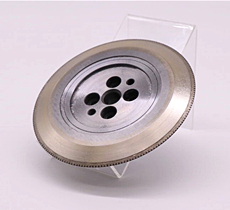
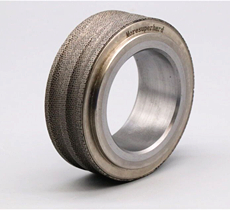
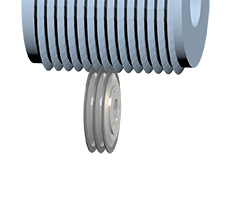
In modern precision manufacturing, achieving exceptional dimensional accuracy, surface finish, and bore geometry is essential for ensuring product performance and reliability. Among the advanced tooling solutions available today, honing reamers have become one of the most effective tools for high-precision internal hole machining.
A honing reamer combines the rigid guidance and efficiency of conventional reaming with the superior surface-finishing capabilities of honing. This unique combination enables manufacturers to produce precision bores with extremely tight tolerances while maintaining excellent cylindricity, roundness, and surface quality.
As industries continue demanding higher performance components, honing reamers have become widely used across hydraulic systems, automotive manufacturing, refrigeration equipment, transmission systems, aerospace applications, and advanced material processing.
This article explores the major products and industries that benefit from honing reamer technology and explains why these tools are increasingly indispensable in modern manufacturing.
A honing reamer is a specialized precision machining tool designed for finishing internal bores with exceptional accuracy. Unlike traditional reamers that primarily focus on achieving dimensional tolerance, honing reamers also improve bore geometry and surface integrity.
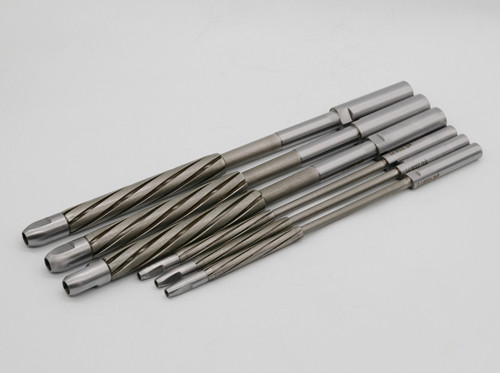
The technology is particularly suitable for:
- High-hardness materials
- Thin-walled components
- Interrupted bores
- Cross-hole structures
- Keyway bores
- Precision bearing seats
- Hydraulic valve holes
Manufacturers can achieve dimensional tolerances as tight as IT5–IT6 while maintaining roundness within 1–2 microns, making honing reamers ideal for critical engineering applications.
Before exploring specific products, it is important to understand why manufacturers choose honing reamers over conventional machining methods.
Superior Dimensional Accuracy
Honing reamers can consistently produce highly accurate bores that meet stringent engineering specifications.
Exceptional Surface Finish
The combined cutting and finishing action creates smoother surfaces that reduce friction and improve component longevity.
Improved Roundness and Cylindricity
Maintaining precise bore geometry is critical for sealing performance, hydraulic efficiency, and bearing operation.
Capability for Complex Bore Structures
Honing reamers can effectively machine bores containing:
- Cross holes
- Oil passages
- Keyways
- Interrupted surfaces
- Grooved structures
High Productivity
Compared with separate reaming and honing operations, honing reamers often reduce machining steps, lowering production costs and improving efficiency.
1. Hydraulic and Pneumatic Components
Hydraulic and pneumatic industries represent the most important application area for honing reamers.
These systems rely heavily on precision bores to maintain pressure control, fluid flow stability, and sealing performance.
Hydraulic Valve Bodies
Hydraulic valve bodies often contain:
- Cross holes
- Multiple bore diameters
- Groove structures
- Complex internal passages
Any deviation in bore geometry may lead to leakage, unstable pressure control, or reduced system efficiency.
Honing reamers ensure:
- Precise valve spool movement
- Improved sealing performance
- Reduced hydraulic leakage
- Enhanced operational reliability
Plunger Pump Bodies
Plunger pumps require extremely accurate internal bores to maintain efficiency under high operating pressures.
Honing reamers help manufacturers achieve:
- Better volumetric efficiency
- Longer service life
- Reduced wear rates
- Improved fluid control
Hydraulic Cylinders and Cylinder Liners
The performance of hydraulic cylinders depends heavily on bore quality.
Precision-machined cylinder bores provide:
- Smoother piston movement
- Reduced friction
- Improved sealing
- Extended equipment lifespan
2. Automotive and Fuel System Components
The automotive industry continuously demands tighter tolerances and higher reliability standards.
Honing reamers play a crucial role in manufacturing many precision automotive components.
Fuel Injector Components
Modern fuel injection systems require microscopic precision to ensure accurate fuel delivery.
Applications include:
- Injector bodies
- Needle valve housings
- Fuel control bores
- Precision nozzle components
Benefits include:
- Improved fuel atomization
- Reduced emissions
- Better engine performance
- Enhanced fuel efficiency
Engine Connecting Rod Bores
Connecting rods contain precision bores at both the small end and large end.
Any dimensional variation can affect:
- Engine balance
- Bearing performance
- Mechanical efficiency
Honing reamers ensure consistent bore quality throughout mass production.
Brake System Components
Critical brake components often require precision internal machining.
Examples include:
- Master cylinders
- Wheel cylinders
- Brake control valves
High-quality bores contribute directly to vehicle safety and braking responsiveness.
Steering Gear Housings
Steering systems depend on accurate bearing and shaft alignment.
Honing reamers help create precision bores that improve steering accuracy and long-term durability.
3. Refrigeration and Compressor Components
The refrigeration and HVAC industries require precision machining to maximize energy efficiency and equipment lifespan.
Compressor Cylinder Bores
Air conditioning and refrigeration compressors rely on highly accurate cylinder bores.
Precision machining helps:
- Minimize leakage
- Improve compression efficiency
- Reduce vibration
- Extend service life
Piston Bores
Piston movement must remain smooth and consistent during long operating cycles.
Honing reamers produce superior surface finishes that reduce friction and wear.
Bearing Housing Holes
Bearing seats require accurate dimensions and alignment.
Precision-machined bearing bores contribute to:
- Reduced noise
- Improved rotational stability
- Enhanced equipment reliability
4. Gear and Transmission Systems
Transmission systems depend on precise alignment between rotating components.
Even minor bore inaccuracies can lead to vibration, noise, and premature wear.
Precision Gear Bores
High-performance gears often require extremely accurate internal bores.
Applications include:
- Automotive transmissions
- Industrial gearboxes
- Robotics systems
- Precision motion equipment
Honing reamers help achieve:
- Better shaft fit
- Improved rotational accuracy
- Reduced vibration
- Longer gear life
Reducer Bearing Seats
Industrial reducers rely on precision bearing housings for smooth power transmission.
Accurate bores improve:
- Load distribution
- Bearing life
- Mechanical efficiency
- Operational stability
5. Hard-to-Machine Materials
One of the greatest strengths of honing reamers is their ability to process difficult materials that challenge conventional machining methods.
Hardened Steel Components
Heat-treated steels are widely used in:
- Aerospace components
- Industrial machinery
- Precision tooling
Honing reamers maintain excellent bore quality even in high-hardness materials.
Carbide Die Components
Carbide tooling requires exceptional precision.
Applications include:
- Die inserts
- Precision molds
- Wear-resistant tooling
Ceramic Bushings
Advanced ceramics offer excellent wear resistance but are notoriously difficult to machine.
Honing reamers help achieve high-quality bores with superior dimensional control.
Powder Metallurgy Parts
Powder metallurgy components often contain complex internal structures.
Precision bore finishing improves:
- Assembly accuracy
- Mechanical performance
- Product consistency
Why Global Manufacturers Choose Honing Reamers
As manufacturing standards continue rising worldwide, honing reamers have become an essential solution for companies seeking higher productivity and superior quality.
Key reasons include:
- Reduced machining operations
- Improved consistency in mass production
- Exceptional bore geometry control
- Compatibility with difficult materials
- Lower scrap rates
- Enhanced product reliability
Whether producing hydraulic valves, automotive fuel systems, compressor components, precision gears, or advanced engineered materials, manufacturers rely on honing reamers to achieve the highest standards of internal hole machining.
Conclusion
Honing reamers represent a powerful combination of reaming efficiency and honing precision. Their ability to process high-hardness materials, thin-walled structures, interrupted bores, and critical precision components makes them indispensable across numerous industries.
From hydraulic valve bodies and fuel injector components to compressor cylinders, gear bores, and advanced material applications, honing reamers continue to deliver outstanding accuracy, superior surface quality, and reliable production performance.
For manufacturers seeking tighter tolerances, improved bore quality, and greater operational efficiency, investing in advanced honing reamer technology is a proven path toward higher productivity and competitive advantage.