NEWS
07
Nov

Switching from Conventional to Superabrasive Wheels

Share:

Why Shops Believe the Advice—and Still Do Not Switch


Every shop grinding cemented carbide, engineering ceramics, NdFeB magnets or steel above 55 HRC has heard the advice: replace white or brown aluminum oxide and silicon carbide wheels with diamond or CBN. Most believe it; fewer act on it—and rarely because of price alone. What blocks a conversion is a cluster of unanswered questions about machine capability, parameters, dressing, and the risk of a wrong first specification. Here they are, in the order customers ask them.


What "Conventional" Means—and Where It Breaks Down


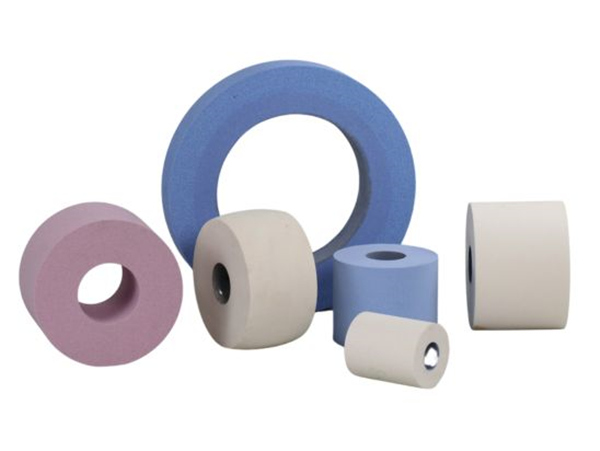
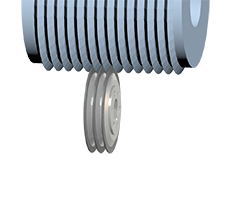
                           conventional grinding wheel

Conventional means white aluminum oxide, brown aluminum oxide and silicon carbide—still excellent for mild steel and low-cost roughing. The problem is not that they are bad wheels, but that they are asked to work outside their economic range. On carbide (HRA 90+), technical ceramics, sintered NdFeB or steel past 55 HRC, the abrasive is softer than the work: the wheel rubs, dulls, loads and heat-soaks the part instead of removing stock. Fast wear, drifting thickness, constant dressing, burn, chipped edges and heavy dust all trace to that single mismatch.


The Five Familiar Complaints, Translated into Money


Shops describe these problems in technical language. Translated into cost, they read differently—and that translation is what makes an internal business case possible:

What the shop says What it actually costs
The wheel wears out fast Stops for wheel changes and dressing; effective cutting time falls
Thickness and parallelism drift Constant parameter re-adjustment; yield swings between batches
Dressing takes too long Operator hours spent on a task that adds no value to the part
Burn, chatter, chipped edges Scrap, rework and customer complaints on hard-brittle parts
Dust and consumable burn Cheap wheel price, expensive total cost once downtime and rejects count


Question 1: Will a Superabrasive Wheel Work on My Existing Machine?


This question decides most conversions, and it deserves an honest answer rather than reassurance. Superabrasives demand more from spindle accuracy and rigidity, balance, coolant and feed stability. An older grinder with spindle play and a weak coolant pump will chatter and burn with a diamond wheel—not because the wheel is wrong, but because the machine cannot present it cleanly. Audit first, purchase second:

Check Pass condition If it fails
Spindle radial runout Within builder spec, no bearing noise Repair or replace the spindle
Machine rigidity No vibration at target depth of cut Reduce depth, or upgrade the machine
Wheel balance Balanced for the speed actually used Balance the wheel, check the flange
Coolant flow and filtration Directed into the zone; removes fine swarf Upgrade pump, nozzles, filtration
Feed stability No stick-slip at fine infeed Service slides or screws


If two or three items fail, conversion is still possible—but it becomes a machine project and should be quoted as one.


Question 2: Can I Keep My Existing Parameters?


No—and expecting to is the second most common cause of failure. The two families do not share a self-sharpening logic: aluminum oxide fractures and sheds its grains, while superabrasives retain grains and cut with them for a long time. The old aggressive infeed makes diamond or CBN load, glaze or slip; an over-gentle feed polishes the part and generates heat. Re-qualify on the actual machine: start with lower depth and moderate feed, step up to the target removal rate or the first sign of burn, then back off one step.


Question 3: How Do I Dress a Diamond or CBN Wheel?


Completely differently—this is where wheels get ruined in one pass. A resin bond diamond wheel cannot be dressed with a heavy single-point diamond-pen stroke at hand feed. The dressing tool, its speed, infeed and cross-feed must match the wheel and bond. Done correctly, dressing removes loaded bond and exposes fresh grains; done wrongly it tears the resin matrix. Use a matched diamond dressing roll, keep infeed small, record the parameters so they repeat. On stable flat-face batch work with vitrified CBN, not dressing at all beats dressing badly.


Question 4: Diamond or CBN—Which Do I Need?


The dividing line is chemistry, not hardness. Diamond reacts with iron at grinding temperature and degrades on ferrous work; CBN is correct for steels and cast irons. Diamond suits everything non-ferrous: carbide, ceramics, glass, stone and rare-earth magnets.

Workpiece Abrasive Bond typically used
Cemented carbide (WC-Co) Diamond Resin for finishing; vitrified/metal for stock removal
Ceramics, valve plates, substrates Diamond Resin or vitrified
NdFeB, SmCo magnets Diamond Resin—low stress, low chipping
Hardened/alloy steel above ~55 HRC CBN Vitrified for production; resin for finishing
Cast iron, powder metallurgy CBN Vitrified—flat batch work can run dressing-free


Bond then sets the character of the cut. Resin gives a cool, low-stress action for ceramics, magnets and carbide finishing, where chipping is the enemy. Vitrified gives rigidity, shape retention and stock removal for hardened steel and dressing-free flat work.


Question 5: What Grit and Concentration Should I Specify?


These two variables decide whether a first conversion succeeds, and they cannot be picked from a table alone. Coarse grit and high concentration cut freely but roughen the surface and load with swarf; fine grit and lower concentration improve finish but risk polishing and heat. The combination depends on allowance, finish target, workpiece toughness, bond and coolant—so specify from the drawing, not a part number. A supplier who asks for material and hardness, stock to remove, target Ra, machine model and coolant type is specifying; one who quotes a stock reorder number without those is selling. The distinction matters because a mis-specified first wheel is the most common reason a shop decides superabrasives "do not work" when the abrasive was never the problem.


Question 6: Why Do So Many First Conversions Fail?


Almost never because superabrasives "do not work." Failures cluster into five causes, four of them process issues rather than product issues:
  • The machine was never audited, so chatter and burn were blamed on the wheel.
  • Conventional parameters were carried over, so the wheel loaded or polished.
  • The dressing method was wrong, so the wheel was damaged during setup.
  • Coolant flow or filtration was inadequate, so fine swarf overheated the resin.
  • Grit, concentration or bond was mis-specified for the material and finish.


Question 7: Is It More Expensive—Per Wheel or Per Part?


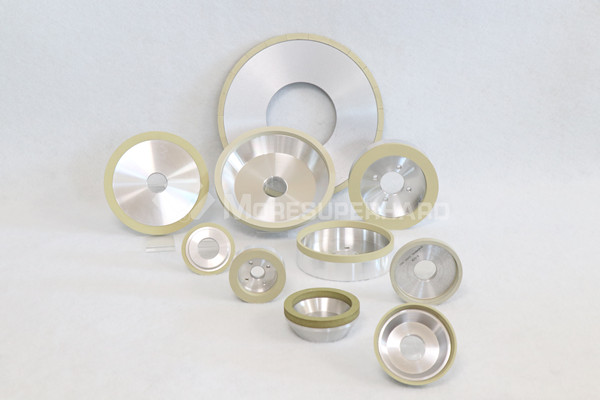
                        grinding wheel


A diamond or CBN wheel can cost ten to thirty times an aluminum oxide wheel, and that is where most conversations stop. It is also the wrong number. What matters is cost per finished part, built from wheel consumption, dressing labor, downtime, scrap and coolant. A shop grinding carbide may use one brown corundum wheel a day at about $20, dress twice a shift for 30 minutes each, and scrap 5% to burn and chipping: over 22 days, roughly $440 in wheels plus 22 hours of lost machine time and the rejects. A resin bond diamond wheel at about $400 may run 30 days or more with a fraction of the dressing and near-zero burn scrap. Once downtime and rejects are priced, the superabrasive wins—even though it looks dearer on the invoice. The discipline required is measurement rather than argument: log wheel life, dressing minutes, stops per shift and reject rate for one month before the change and one month after. Shops that do this stop debating price and start budgeting conversions.


Question 8: How Do I Justify This Internally?


Purchasing approves wheel price, production approves uptime, quality approves yield—and a proposal speaking to only one gets rejected by the other two. Make one case three ways: fewer wheel changes and dressing stops per shift, stable thickness and parallelism, and a measured cost per part. Add the drop in dust where ventilation or health monitoring applies.


Question 9: Is Coolant Really That Important?


More than most shops expect. Grinding hard-brittle materials produces very fine powder that packs into wheel porosity, blinds the cutting face and raises bond temperature. Resin bond is especially sensitive: sustained heat ages the resin and life collapses in a way that looks like a bad wheel but is a cooling problem.


Question 10: Will I Get Chipping on Ceramics and Magnets?


Not with the right combination. Chipping on brittle work usually comes from too coarse a grit, too high a concentration for the finish, excessive infeed at entry and exit, or a bond too rigid for the part. Resin bond diamond with matched grit, controlled entry and a light spark-out pass is the standard answer for ceramic valve plates and NdFeB. If it persists, check rigidity and clamping.


Question 11: Does Batch Consistency Really Improve?


This is the benefit that surprises shops most. Because a superabrasive wears slowly, cutting conditions at part 5,000 resemble those at part 50; thickness and parallelism do not drift the way they do on corundum. That converts into yield: fewer mid-batch adjustments, fewer out-of-tolerance parts late in a wheel's life.


Question 12: What Is a Realistic Migration Path?


Successful conversions follow four stages over one to three months:
  1. Audit and specify (week 1–2): machine checks, workpiece data, wheel specification from the drawing.
  2. Trial and qualify (week 2–5): conservative parameters stepped up to target; dressing proven on the machine.
  3. Prove on one shift (week 5–9): measure wheel life, dressing frequency, cycle time and reject rate against the pre-switch baseline.
  4. Standardize (week 9–12): roll the specification out to sister machines, document the recipe, and train operators on the different parameter and dressing logic.


The Twelve Answers on One Page


For readers who need the short version, the whole article compresses to five rules: audit the machine before the wheel; never carry over conventional parameters; match the dressing method to the bond; select abrasive by chemistry (diamond for non-ferrous, CBN for ferrous) and specification by drawing; and judge the investment on cost per part measured over a month, not on wheel price. Everything else is execution detail.


We Support the Whole Conversion, Not Just the Wheel


MoreSuperHard supplies resin and vitrified diamond and CBN wheels, diamond dressing rolls, and the process engineering to move a conventional operation across safely. We specify grit, concentration and bond against the drawing and stay involved through parameter and dressing trials. If you grind carbide, ceramics, NdFeB or hardened steel with corundum or SiC wheels, send the material and hardness, stock to remove, target Ra, machine model and coolant—we will say honestly whether a conversion fits.


Frequently Asked Questions


Q: Why do conventional wheels wear so fast on carbide and ceramics?
A: The abrasive is softer than the workpiece, so it rubs, dulls, loads and generates heat instead of removing stock; wear and dressing frequency rise together.

Q: Can I switch without changing my machine?

A: Only after an audit. Superabrasives need spindle accuracy, rigidity, balance, coolant flow and filtration; if several fail, treat it as a machine project.

Q: Can I keep my old parameters?

A: No. Aggressive infeed makes a superabrasive load or slip; too gentle a feed polishes and heats the part. Re-qualify on the machine.

Q: How do I dress a resin bond diamond wheel?

A: Use a matched diamond dressing roll with small consistent infeed at process speed—never a heavy diamond-pen stroke at hand feed, which can ruin the wheel in one pass.

Q: Is a superabrasive wheel more expensive?

A: Purchase price is higher, but cost per finished part across wheel consumption, dressing, downtime, scrap and coolant usually favours superabrasives on stable batch work.

Q: Does switching reduce workshop dust?

A: Yes. Diamond and CBN wear very little compared with corundum and silicon carbide, so abrasive dust output drops sharply—an extra benefit where ventilation or health monitoring applies.

Q: Which materials should never be ground with diamond?

A: Ferrous materials such as steel and cast iron. Diamond reacts with iron at grinding temperature and degrades rapidly, so CBN is used instead. Diamond is reserved for carbide, ceramics, glass, stone and rare-earth magnets.
 
FOLLOW US
This Blog keeps our valued customers informed of important Radiac News and Events, and in the industries we serve.
Copyright © 2003-2023 More SuperHard Products Co., Ltd
Home
Whatsapp
E-mail
Inquiry