Peel Grinding Wheels: Revolutionizing Precision Grinding in Modern Manufacturing
As global manufacturing continues to evolve toward higher efficiency, tighter tolerances, and superior surface quality, traditional grinding methods are increasingly being replaced by advanced technologies. Among these innovations, peel grinding has emerged as one of the most efficient and precise grinding processes available today.
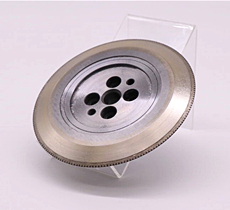
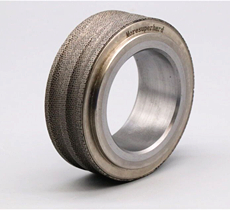
At the heart of this technology lies the peel grinding wheel, a specialized grinding tool designed to remove material rapidly while maintaining exceptional dimensional accuracy and surface integrity.
From aerospace turbine shafts to automotive transmission components and medical instruments, peel grinding wheels are helping manufacturers achieve unprecedented levels of productivity and precision.
This comprehensive guide explores what peel grinding wheels are, how they work, their key advantages, and why they are becoming an essential tool in modern precision engineering.
What Is a Peel Grinding Wheel?
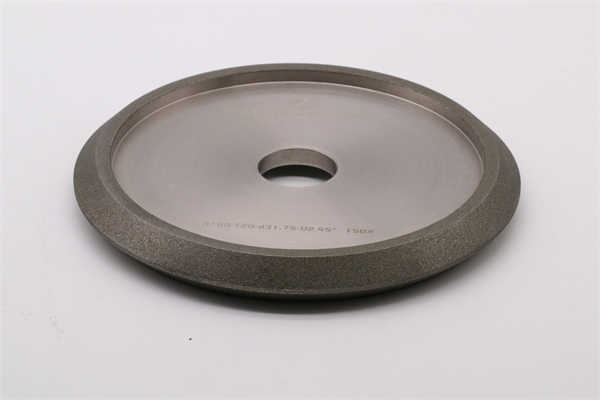
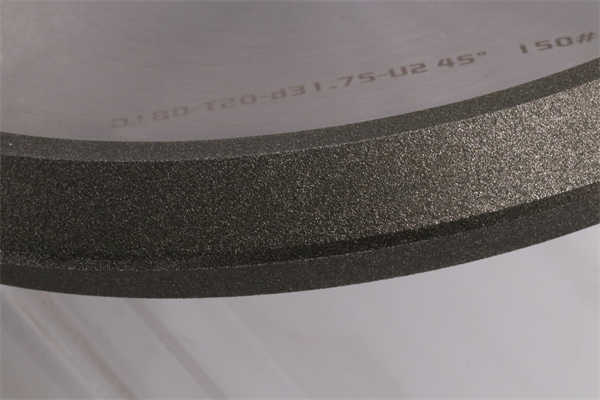
A peel grinding wheel is a narrow-profile grinding wheel specifically designed for high-speed material removal in cylindrical grinding operations.
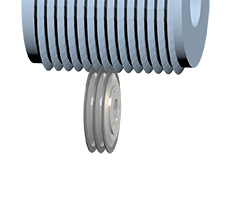
Unlike conventional grinding, which utilizes a wide grinding surface, peel grinding uses a thin wheel that engages only a small portion of the workpiece at any given time.
This approach enables:
- Higher material removal rates
- Reduced grinding forces
- Improved thermal control
- Enhanced dimensional accuracy
- Longer wheel life
Peel grinding is typically performed on advanced CNC grinding machines equipped with high-speed spindles and sophisticated control systems.
The process combines the flexibility of turning with the precision of grinding, making it ideal for complex geometries and demanding engineering applications.
How Does Peel Grinding Work?
Peel grinding operates by using a narrow grinding wheel that traverses along the workpiece surface while rotating at extremely high speeds.
Instead of grinding the entire surface simultaneously, the wheel removes material in a controlled "peeling" action.
This unique machining method offers several important advantages:
Lower Heat Generation
Since only a small contact area exists between the wheel and the workpiece, less heat is generated.
This reduces:
- Thermal deformation
- Surface burns
- Metallurgical damage
- Residual stresses
Improved Process Stability
The lower grinding forces help maintain machine stability and improve machining consistency.
Higher Material Removal Rates
Manufacturers can achieve productivity levels comparable to turning while maintaining grinding-level precision.
Key Advantages of Peel Grinding Wheels
Exceptional Precision
One of the primary reasons manufacturers choose peel grinding technology is its ability to achieve extremely tight tolerances.
Benefits include:
- Excellent roundness
- Superior cylindricity
- Consistent diameter control
- Improved concentricity
This level of precision is critical for industries where even micron-level deviations can affect performance.
Increased Productivity
Traditional grinding operations often require multiple machining steps.
Peel grinding enables:
- Rough grinding
- Semi-finishing
- Finishing
to be completed more efficiently within a single setup.
This significantly reduces:
- Production time
- Machine downtime
- Tool change frequency
Superior Surface Finish
A high-quality surface finish contributes directly to component performance and lifespan.
Peel grinding wheels produce:
- Lower surface roughness values
- Better wear resistance
- Improved fatigue performance
- Enhanced sealing characteristics
These benefits are particularly important for rotating shafts, bearing seats, and hydraulic components.
Reduced Tool Wear
Modern peel grinding wheels utilize advanced abrasive technologies such as:
- Cubic Boron Nitride (CBN)
- Diamond abrasives
- High-performance ceramic grains
These materials provide:
- Longer wheel life
- Stable cutting performance
- Reduced dressing frequency
- Lower operating costs
Industries That Use Peel Grinding Wheels
Aerospace Industry
The aerospace sector demands the highest levels of precision and reliability.
Peel grinding wheels are commonly used for:
- Turbine shafts
- Landing gear components
- Engine parts
- Actuator systems
- Aerospace bearings
The ability to machine hardened alloys while maintaining tight tolerances makes peel grinding particularly valuable in aerospace manufacturing.
Automotive Manufacturing
Modern vehicles contain numerous precision components that require advanced grinding technology.
Applications include:
Transmission Shafts
High-performance transmission systems rely on accurately ground shafts for smooth power transfer.
Drive Shafts
Peel grinding ensures excellent balance and dimensional consistency.
Fuel Injection Components
Precision grinding improves fuel efficiency and engine performance.
Electric Vehicle Components
As EV production grows worldwide, peel grinding technology is increasingly used for motor shafts, rotor components, and transmission systems.
Medical Device Manufacturing
Medical equipment often requires extremely precise and flawless components.
Typical applications include:
- Surgical instruments
- Orthopedic implants
- Dental equipment
- Medical pump shafts
- Precision guide rods
Peel grinding helps manufacturers meet stringent quality and regulatory requirements.
Tool and Die Industry
Peel grinding wheels are widely used in the production of:
- Punches
- Dies
- Precision molds
- Cutting tools
- Carbide tooling
The process provides superior dimensional control and extended tool life.
Energy and Power Generation
Power generation equipment operates under demanding conditions.
Applications include:
- Generator shafts
- Turbine components
- Bearing journals
- Precision couplings
Peel grinding ensures long-term reliability and operational efficiency.
Materials Suitable for Peel Grinding
One of the greatest strengths of peel grinding technology is its versatility.
Peel grinding wheels can process a wide range of materials, including:
Hardened Steel
Widely used in:
- Automotive components
- Aerospace systems
- Industrial machinery
Stainless Steel
Ideal for:
- Medical devices
- Food processing equipment
- Marine applications
Tool Steel
Frequently used in:
Carbide Materials
Peel grinding provides excellent precision for hard and wear-resistant materials.
Nickel-Based Superalloys
Commonly found in:
- Aerospace engines
- Turbine systems
- High-temperature applications
Titanium Alloys
Widely used in aerospace and medical industries due to their strength-to-weight ratio.
Why Manufacturers Are Switching to Peel Grinding Technology
The competitive manufacturing environment demands greater efficiency and quality than ever before.
Peel grinding technology helps manufacturers:
Reduce Production Costs
- Faster machining cycles
- Lower scrap rates
- Reduced tooling expenses
Improve Product Quality
- Better dimensional accuracy
- Improved surface finish
- Higher consistency
Increase Production Capacity
Higher material removal rates enable more parts to be produced in less time.
Support Industry 4.0 Manufacturing
Modern peel grinding systems integrate seamlessly with:
- CNC automation
- Smart manufacturing platforms
- Digital process monitoring
- Predictive maintenance systems
Choosing the Right Peel Grinding Wheel
Selecting the proper peel grinding wheel is essential for achieving optimal results.
Factors to consider include:
Workpiece Material
Different materials require different abrasive types and wheel specifications.
Surface Finish Requirements
Higher surface quality may require finer abrasive grains.
Production Volume
High-volume production often benefits from superabrasive wheels such as CBN.
Machine Capability
Wheel selection should match spindle speed, machine rigidity, and coolant delivery systems.
Component Geometry
Complex part designs may require specialized wheel profiles.
Working with an experienced grinding wheel manufacturer ensures the best solution for each application.
The Future of Peel Grinding Wheels
As manufacturing continues to demand greater precision, efficiency, and automation, peel grinding technology is expected to grow rapidly.
Future developments include:
- AI-assisted process optimization
- Smart grinding wheel monitoring
- Advanced abrasive materials
- Improved wheel bonding technologies
- Fully automated grinding cells
Manufacturers that adopt these technologies early will gain significant advantages in productivity, quality, and competitiveness.
Conclusion
Peel grinding wheels have transformed precision grinding by combining high material removal rates with exceptional dimensional accuracy and surface quality.
Whether used in aerospace, automotive, medical, energy, or tool manufacturing, peel grinding technology delivers measurable improvements in productivity, consistency, and performance.
For companies seeking higher efficiency, tighter tolerances, and superior finished components, peel grinding wheels represent one of the most advanced grinding solutions available today.
Partner with a trusted grinding wheel manufacturer to discover how peel grinding technology can optimize your production process and support your long-term manufacturing goals.