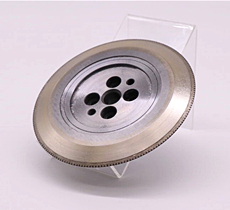
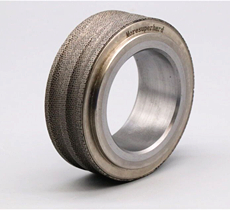
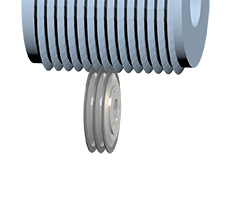
Understanding Dressing vs. Truing: The Foundation of Precision Grinding
In industrial grinding operations, the distinction between dressing and truing is often misunderstood, yet mastering both processes is essential for achieving optimal workpiece geometry and surface finish. Whether you operate a CNC cylindrical grinder, surface grinder, or centerless grinding machine, understanding these two distinct operations will directly impact your production quality, tool life, and overall manufacturing costs.
Dressing and truing serve complementary but different purposes in the grinding wheel maintenance cycle. Truing focuses on restoring the geometric accuracy of the grinding wheel by correcting the wheel's external profile to align perfectly with the machine spindle axis. This critical process eliminates radial runout, reduces vibration (chatter), and prevents chatter marks on the workpiece surface. Without proper truing, even a sharp grinding wheel will produce out-of-tolerance components due to uneven cutting depth across the wheel diameter.
Dressing, on the other hand, is a cutting-edge restoration process that removes worn, dull abrasive grains from the wheel surface while exposing fresh, sharp diamonds embedded in the wheel bond. This operation re-establishes the wheel's cutting ability by breaking away the dull grains and creating micro-fractures in the bond matrix, which in turn liberates new cutting points. Additionally, dressing reopens the pores between abrasive grains, ensuring proper coolant infiltration and chip clearance during the grinding cycle.
The sequence matters: truing is typically performed first to establish geometric accuracy, followed by dressing to restore cutting performance. In some cases, both operations can be combined using specialized rotary dressers or CNC-controlled dressing systems. Understanding this relationship is fundamental for anyone seeking to optimize their diamond dresser selection and grinding parameters.
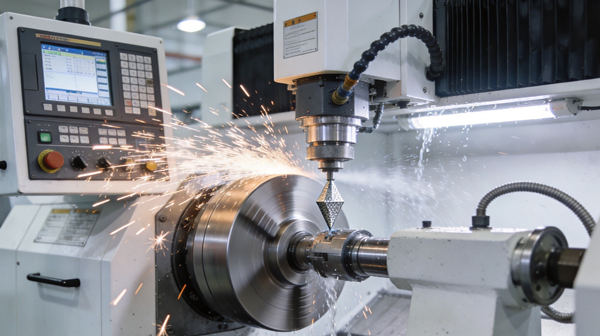 The Three Core Types of Industrial Diamond Dressers
Selecting the appropriate diamond dresser type depends on multiple factors including the grinding wheel specification, workpiece material, required surface finish, and production volume. Each dresser type offers distinct advantages tailored to specific industrial applications. Below is an in-depth analysis of the three primary categories used in precision grinding environments worldwide.
① Single Point Diamond Dresser
The single point diamond dresser represents the most traditional and widely adopted dressing tool in the grinding industry. It consists of a single, high-quality natural or synthetic diamond stone securely mounted at the tip of a steel shank. The single diamond point penetrates the grinding wheel surface under controlled mechanical pressure, effectively breaking away worn grains and reshaping the wheel profile.
This type excels in general-purpose applications including vitrified aluminum oxide wheels, small-diameter grinding wheels, and precision finishing operations requiring fine surface textures. The single-point configuration delivers exceptional profile accuracy, making it ideal for form grinding, thread grinding, and gear grinding applications where micron-level tolerances are non-negotiable.
When selecting a single point dresser, the grinding wheel diameter and width directly influence the required diamond carat weight. Larger wheels with greater contact areas impose higher mechanical loads on the diamond tip, necessitating larger, more robust stones to prevent tip fracture and premature wear. Proper tip orientation (typically set at a 10-15 degree negative rake angle against wheel rotation) promotes self-sharpening behavior and extends dresser life.
② Multi Point Diamond Dresser
Multi point diamond dressers feature multiple small diamond stones arranged in a systematic pattern—commonly linear, radial, or sector configurations—bonded to a common holder or rotating head. This structural design distributes the dressing load across several diamond contact points, significantly reducing individual point stress and dramatically improving tool life compared to single-point alternatives.
These dressers are particularly well-suited for large grinding wheels, rough grinding operations using coarse grit sizes (#36 to #80), and high-volume production environments where dressing cycle time directly impacts throughput. The distributed contact pattern creates a more open wheel surface structure, which enhances chip evacuation and coolant flow during aggressive material removal operations.
The primary advantages include faster dressing speeds, reduced dressing frequency, and lower per-part dressing costs in high-volume manufacturing scenarios. Multi point dressers are frequently employed in creep feed grinding, heavy stock removal applications, and continuous production lines where downtime for dresser changes must be minimized.
③ Impregnated Diamond Dresser
Impregnated diamond dressers represent the most advanced dressing technology, constructed by mixing fine diamond powder (typically mesh sizes from 40/50 to 120/140) with a metal bond matrix, which is then sintered under high temperature and pressure to form a solid block. The diamond particles are distributed throughout the entire binder volume, not just at the surface.
As the metal bond matrix wears down during the dressing operation, fresh diamond particles are continuously exposed from within the block, maintaining consistent cutting performance throughout the dresser's operational life. This self-replenishing characteristic eliminates the need for periodic tip rotation or dresser repositioning, making impregnated dressers exceptionally suitable for automated grinding lines and unmanned machining cells.
These dressers excel in dressing superabrasive wheels (CBN and diamond), high-density vitrified wheels, and applications involving tough, friable abrasive grains. The continuous exposure of sharp diamond points ensures consistent wheel topography and predictable grinding forces throughout extended production runs. For manufacturers seeking to minimize manual intervention while maintaining tight process control, impregnated dressers offer compelling advantages in productivity and consistency.
Dressing Parameters: Engineering Specifications for Optimal Results
Incorrect dressing parameters can rapidly destroy an expensive diamond dresser or cause excessive grinding wheel wear, negating the economic benefits of precision dressing. The following parameter table summarizes the recommended engineering specifications for common dressing scenarios. Fine-tuning these parameters based on your specific wheel grade, bond type, and application requirements will maximize dresser life while achieving optimal workpiece quality.
| Control Parameter |
Recommended Engineering Specification |
Optimization Effect |
| Drag Angle (Contact Angle) |
10-15 degrees downward slope relative to wheel rotation direction |
Prevents tip chipping and promotes automatic diamond sharpening effect |
| Infeed Depth |
0.01mm - 0.025mm per pass (maximum) |
Prevents diamond graphitization (carbonization) caused by excessive load |
| Lead / Feed Rate (Rough Grinding) |
0.2mm/rev |
Creates open wheel surface structure for aggressive material removal |
| Lead / Feed Rate (Precision Grinding) |
0.05mm/rev |
Produces closed, fine surface texture for high-finish requirements |
| Coolant Supply |
High-volume coolant jet directed at contact point before and during dressing |
Prevents thermal shock cracking; diamond damage occurs above 700°C |
| Dressing Frequency |
Every 15-30 minutes of grinding time (variable by wheel/grinding conditions) |
Maintains consistent cutting sharpness; prevents workpiece burn marks |
| Spindle Speed Ratio |
Wheel:Dresser peripheral speed ratio of 1:0.8 to 1:0.6 |
Optimizes point engagement geometry and minimizes point wear rate |
The contact angle parameter is particularly critical for single point dressers. A negative rake angle (dresser tilted slightly backward relative to wheel rotation) encourages the diamond to scrape rather than dig into the wheel, reducing point impact stress and promoting smooth, controlled grain fracture. Operating at a positive rake angle can cause aggressive point penetration, leading to rapid diamond chipping and shortened dresser life.
Coolant management during dressing cannot be overstated. Diamond dresser failures attributable to thermal damage occur far more frequently than mechanical wear failures. The high-friction contact zone between dresser and grinding wheel generates temperatures exceeding 700 degrees Celsius within seconds if coolant is interrupted. Always verify coolant nozzle alignment before initiating any dressing cycle, and never perform a dry pass—even for a single second.
Troubleshooting Guide: Maximizing Diamond Dresser Life
Proactive maintenance and proper operating procedures can significantly extend diamond dresser service life, reducing tooling costs and minimizing production interruptions. The following troubleshooting guidelines address the most common issues encountered in industrial grinding environments.
Premature Tip Wear and Flattening
If you observe rapid flattening of the dresser tip (known as "flatted" wear), the primary causes typically include excessive infeed depth, insufficient coolant supply, incorrect drag angle, or selection of a diamond stone size inadequate for the wheel specification. The expanded contact area from flattening dramatically increases frictional heat, accelerating diamond degradation in a vicious cycle.
Solution: For single point dressers, rotate the tool holder 90 degrees at regular intervals to present a fresh, sharp edge to the wheel. This simple practice can double or triple effective dresser life. Verify that infeed does not exceed 0.025mm per pass, and confirm coolant coverage at the exact contact point.
Chatter Marks on Workpiece Surface
Chatter marks—regular wave-like patterns on the ground surface—indicate vibration in the grinding system. While wheel unbalance and spindle bearing issues can contribute, improper dressing technique is frequently the root cause. Insufficient dressing frequency leaves dull grains embedded in the wheel surface, creating uneven cutting forces that excite machine tool resonances.
Solution: Increase dressing frequency to maintain wheel sharpness. Verify that the dresser is mounted rigidly with minimal protrusion from the holder. Check for wheel clamp tightness and inspect the wheel flanges for debris or wear. Consider switching to a rotary dresser for high-speed operations where hand-dressed truing cannot achieve sufficient precision.
Wheel Glazing and Loading
Wheel glazing occurs when the abrasive grains become polished or the wheel surface becomes compacted with workpiece material (loading). Both conditions reduce cutting efficiency, increase grinding forces, and generate excessive heat that can cause workpiece burn and thermal cracking.
Solution: Glazing indicates insufficient dressing—increase dressing frequency or select a softer wheel grade. Loading suggests the wheel structure is too closed for the workpiece material; increase dressing lead (feed rate) to create a more open, aggressive wheel surface. Verify coolant composition and flow rate; contaminated or insufficient coolant accelerates loading by preventing proper chip evacuation from the wheel pores.
Poor Dressing Accuracy and Form Retention
If the dressed wheel fails to maintain the required profile geometry between dressing cycles, consider whether the dresser mounting is secure and whether the dressing parameters are appropriate for the specific wheel specification. Form retention is especially critical in form grinding and profile grinding applications where micron-level tolerances must be maintained over extended production runs.
Solution: Verify dresser shank fit in the holder; any radial play will translate into form errors. Ensure the dresser traverses perpendicular to the wheel axis for cylindrical dressing, or follows precise CNC paths for form dressing. Increase infeed frequency rather than infeed depth to maintain form while minimizing wheel material removal.
Why Choose More Superhard: Your Precision Dressing Partner
Diamond dressers are the hidden critical consumable that determines the precision level achievable in any grinding operation. Regardless of how expensive or high-quality your grinding wheel is, inferior dresser quality or incorrect parameters will inevitably result in poor workpiece roundness, degraded surface finish, and costly production rework. Investing in the right diamond dresser solution is investing directly in your process capability and competitive positioning.
More Superhard is a professional manufacturer and global exporter of precision grinding consumables, serving manufacturing customers across North America, Europe, Southeast Asia, and beyond. Our product portfolio encompasses a comprehensive range of diamond dressing tools including natural diamond single point dressers, synthetic diamond dressers, multi point rotary dressers, and high-density impregnated dressers—all engineered to deliver superior performance, extended service life, and predictable cost-per-part metrics.
We understand that every grinding application presents unique challenges involving wheel specifications (aluminum oxide, silicon carbide, CBN, diamond), workpiece materials (hardened steel, carbide, aerospace alloys), and production requirements (surface finish, dimensional tolerance, cycle time). Our technical team works directly with customers to recommend optimal dresser configurations and dressing parameters based on specific application requirements.
If you are seeking to optimize your grinding ratio, extend dresser wear cycles, or implement process improvements for automated grinding cells, contact More Superhard for a professional technical consultation. Let our grinding expertise help you reduce per-part tooling costs, improve first-pass yield rates, and achieve the precision quality your customers demand.
As a China-based precision grinding export manufacturer, More Superhard combines competitive pricing with rigorous quality control systems compliant with international manufacturing standards. Our products undergo comprehensive dimensional inspection, metallurgical analysis, and functional testing before shipment, ensuring that every dresser meets the exacting specifications required for precision manufacturing environments. We welcome inquiries from grinding shops, machine tool builders, and industrial distributors seeking a reliable, long-term dressing solutions partner.
Whether you operate a single grinding machine or manage a multi-shift production facility, the principles outlined in this guide—understanding dressing mechanics, selecting appropriate dresser types, optimizing dressing parameters, and implementing proactive troubleshooting protocols—will establish a solid foundation for achieving consistent, high-quality grinding results. Invest the time to optimize your dressing processes, and the returns in reduced costs and improved quality will compound throughout every production run.