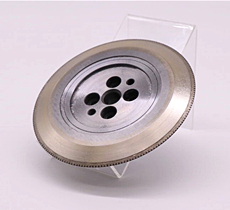
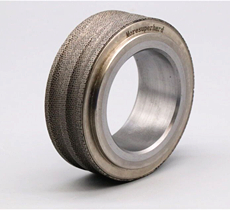
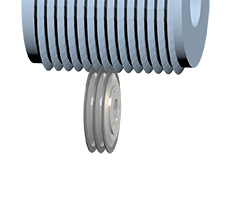
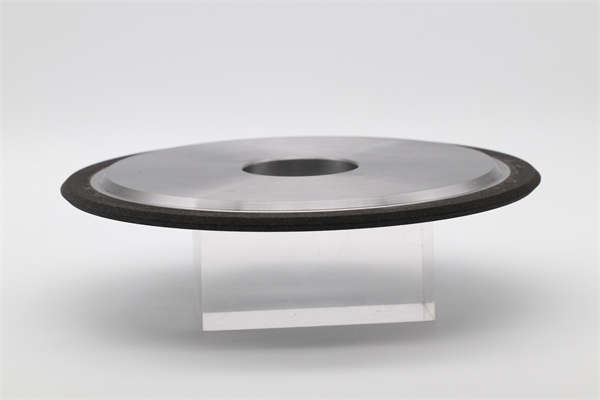
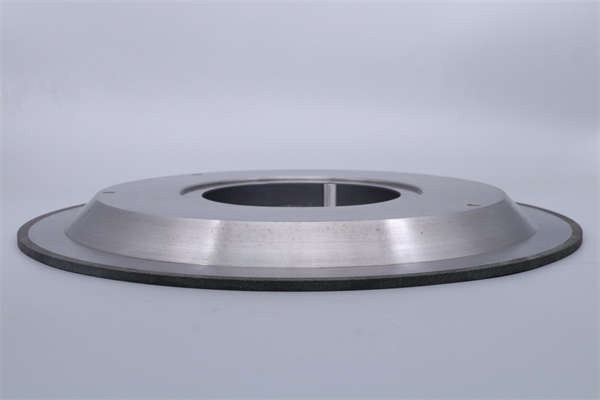
Vitrified CBN (Cubic Boron Nitride) grinding wheels represent the cutting edge of precision grinding technology for ferrous materials. As the ideal solution for precision grinding of hardened steel, bearing steel, and tool & die steel, vitrified CBN wheels deliver exceptional performance that traditional grinding wheels simply cannot match.
The Math Speaks for Itself:
- Grinding Ratio: 3,000-4,000 (compared to 100-300 for conventional wheels)
- Wheel Life: 100-200 hours of continuous operation
- Productivity: 30-60% faster machining
- Surface Finish: Ra 0.02μm achievable
- Cost per Part: Significantly reduced despite higher initial wheel cost
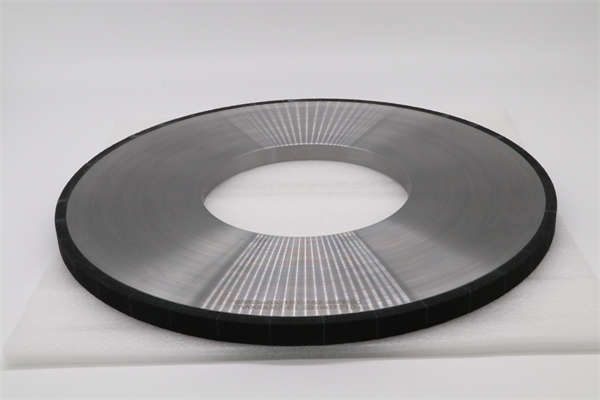
1. Key Advantages of Vitrified CBN Grinding Wheels
Hardness, Wear Resistance, and Extended Service Life
CBN (Cubic Boron Nitride) ranks second only to diamond in hardness, making it exceptionally resistant to wear. This translates to dramatic improvements in wheel longevity and operational efficiency.
Performance Specifications:
- Wear Resistance: 20-100x higher than conventional aluminum oxide wheels
- Wear Resistance: 3-4x higher than resin-bond CBN wheels
- Grinding Ratio: 3,000-4,000 (weight of material removed per wheel weight)
- Operational Life: 100-200 hours of continuous grinding per wheel
- Downtime Reduction: 80-90% fewer wheel changes required
Business Impact:
A typical precision grinding operation can expect:
- Reduced machine downtime: 80-90% reduction in wheel changeover time
- Lower labor costs: Fewer wheel changes and adjustments
- Consistent performance: Wheel geometry remains stable throughout life
- Predictable maintenance: Scheduled wheel replacement instead of emergency changes
Superior Heat Resistance and Thermal Damage Prevention
Thermal damage represents one of the most significant challenges in precision grinding, leading to workpiece burns, micro-cracks, and residual stress that compromise part quality and performance.
Vitrified CBN Wheel Thermal Advantages:
| Property |
Vitrified CBN |
Conventional Wheels |
| Bond Temperature Resistance |
>1200°C |
600-800°C |
| CBN Thermal Conductivity |
13x higher than aluminum oxide |
Baseline |
| Porosity Structure |
Optimized for chip evacuation |
Limited |
| Grinding Temperature |
30-40% lower |
Baseline |
Thermal Damage Prevention:
✅ Minimal Grinding Burn: Temperatures controlled below critical thresholds
✅ No Thermal Cracks: Prevents heat-induced surface and subsurface damage
✅ Reduced Residual Stress: Maintains material integrity and dimensional stability
✅ Ideal for Heat-Sensitive Materials: Perfect for hardened steel, bearing steel, and high-speed steel
High Porosity Design Benefits:
- Efficient chip evacuation prevents workpiece loading
- Coolant penetration to grinding zone improves heat dissipation
- Lower grinding temperatures protect workpiece metallurgical properties
- Reduced wheel wear extends operational life
Enhanced Productivity - 30-60% Faster Machining
Vitrified CBN wheels enable dramatically higher material removal rates while maintaining precision and quality, delivering substantial throughput improvements.
High-Speed Grinding Capabilities:
| Parameter |
Conventional Wheels |
Vitrified CBN Wheels |
Improvement |
| Wheel Speed |
30-45 m/s |
80-160 m/s |
180-260% |
| Feed Rate |
Standard |
2-3x higher |
200-300% |
| Material Removal Rate |
Baseline |
3-5x higher |
300-500% |
| Dressing Frequency |
Every 10-20 parts |
Every 100-200 parts |
90% reduction |
Productivity Breakthrough Factors:
1. High-Speed Operation
- Operational speeds of 80-160 m/s (26,000-52,000 ft/min)
- Maintains precision at extreme speeds
- Reduces cycle time significantly
2. Aggressive Feed Rates
- Higher feed rates without quality compromise
- Faster material removal
- Shorter processing times per part
3. Self-Sharpening Ability
- Consistent abrasive exposure throughout wheel life
- Reduced dressing requirements
- Maintained cutting efficiency
4. Reduced Wheel Loading
- High porosity prevents chip accumulation
- Stable cutting performance
- Extended dressing intervals
Real-World Productivity Gains:
- Automotive Component Grinding: 45% reduction in cycle time
- Bearing Manufacturing: 50% increase in daily output
- Tool Sharpening: 60% faster processing
- Precision Component Finishing: 35% throughput improvement
Stable Accuracy and Superior Surface Finish
Precision grinding demands exceptional dimensional accuracy and surface quality. Vitrified CBN wheels deliver micron-level precision with remarkable consistency.
Precision Performance Specifications:
| Quality Metric |
Achievement |
Industry Standard |
| Dimensional Accuracy |
±1-2 microns |
±5-10 microns |
| Surface Roughness |
Ra 0.02 μm |
Ra 0.2-0.8 μm |
| Profile Retention |
±0.002mm |
±0.005-0.010mm |
| Thermal Expansion |
Minimal |
Significant impact |
Surface Finish Excellence:
- Mirror-like Finishes: Ra 0.02μm achievable for critical applications
- Consistent Quality: Uniform finish across entire workpiece surface
- Minimal Subsurface Damage: Preserves material integrity
- Reduced Secondary Operations: Eliminates or reduces polishing/lapping requirements
Process Stability Factors:
1. High Rigidity
- Vitrified bond maintains wheel geometry under load
- Resists deformation during heavy cuts
- Consistent wheel shape throughout operational life
2. Low Thermal Expansion
- Minimal dimensional changes with temperature
- Stable wheel geometry
- Predictable grinding performance
3. Excellent Profile Retention
- Maintains precise wheel profiles
- Consistent part geometry
- Reduced scrap and rework rates
Quality Impact:
- Scrap Rate Reduction: 70-90% reduction in rejected parts
- Rework Elimination: First-time quality achievement
- Process Capability: Cp/Cpk >2.0 achievable
- Consistency: Batch-to-batch uniformity
Excellent Chemical Stability and Broad Compatibility
CBN's unique chemical properties make it exceptionally compatible with ferrous materials, eliminating many issues common with other abrasives.
Chemical Stability Advantages:
✅ No Chemical Reaction: CBN does not react chemically with ferrous materials during grinding
✅ Reduced Loading: Minimal workpiece material adhesion to wheel surface
✅ No Built-Up Edge: Prevents material transfer that degrades cutting action
✅ Coolant Compatibility: Works effectively with various grinding fluids
✅ Stable Performance: Consistent cutting across different operating conditions
Compatibility Benefits:
1. Broad Fluid Compatibility
- Water-soluble coolants
- Oil-based coolants
- Synthetic cutting fluids
- Minimal coolant-induced wheel wear
2. Reduced Maintenance
- Less frequent wheel cleaning required
- Longer intervals between dressing
- Reduced wheel contamination
3. Versatile Application
- Effective across various steel types and grades
- Suitable for different grinding operations
- Adaptable to various machine configurations
Lower Total Cost of Ownership
While vitrified CBN wheels have a higher initial purchase price compared to conventional wheels, the total cost of ownership is dramatically lower when considering all operational factors.
Total Cost Analysis:
| Cost Factor |
Conventional Wheels |
Vitrified CBN Wheels |
Cost Reduction |
| Initial Wheel Cost |
$200 |
$800 |
Higher initial investment |
| Wheel Consumption |
50 wheels/year |
5 wheels/year |
90% reduction |
| Machine Downtime |
80 hours/year |
8 hours/year |
90% reduction |
| Labor Cost |
$4,000/year |
$400/year |
90% reduction |
| Scrap Rate |
5% |
0.5% |
90% reduction |
| Annual Total Cost |
$16,000 |
$4,500 |
72% reduction |
ROI Calculation:
- Initial Investment: $600 higher per wheel
- Annual Savings: $11,500 per machine
- ROI Period: Less than 1 month
- 5-Year Cumulative Savings: $57,500+ per machine
Cost Reduction Drivers:
- Extended wheel life reduces replacement frequency
- Higher productivity reduces per-part labor cost
- Lower scrap rates eliminate material waste
- Reduced machine downtime increases asset utilization
- Improved quality eliminates rework costs
2. Comparison with Conventional Grinding Wheels
Aluminum Oxide / Green Silicon Carbide Wheels
Characteristics:
- Low Initial Cost: $50-200 per wheel
- Short Service Life: 20-50 hours
- Wear Resistance: Baseline (1x)
- Precision: ±5-10 microns
- Surface Finish: Ra 0.2-1.0 μm
Advantages:
- ✅ Low upfront investment
- ✅ Suitable for rough grinding
- ✅ Adequate for low-precision applications
- ✅ Readily available
Limitations:
- ❌ Rapid wheel wear requires frequent changes
- ❌ High risk of grinding burn
- ❌ Limited precision capabilities
- ❌ Higher long-term costs
- ❌ Inconsistent quality
Best Applications:
- Rough grinding operations
- Low-precision applications
- Small production runs
- General-purpose grinding
Resin Bond CBN Wheels
Characteristics:
- Moderate Initial Cost: $300-600 per wheel
- Medium Service Life: 50-100 hours
- Wear Resistance: 3-4x conventional wheels
- Precision: ±2-5 microns
- Surface Finish: Ra 0.1-0.4 μm
Advantages:
- ✅ Good toughness and impact resistance
- ✅ Moderate heat dissipation
- ✅ Better than conventional wheels for steel
- ✅ Suitable for medium-speed grinding
Limitations:
- ❌ Limited high-speed capability
- ❌ Higher wheel wear than vitrified bond
- ❌ More frequent dressing required
- ❌ Thermal limitations at high speeds
Best Applications:
- Medium-precision grinding
- General precision requirements
- Tool and cutter grinding
- Sharpening applications
Vitrified CBN Wheels - The Superior Choice
Characteristics:
- Higher Initial Investment: $700-1,200 per wheel
- Extended Service Life: 100-200 hours
- Wear Resistance: 20-100x conventional wheels
- Precision: ±1-2 microns
- Surface Finish: Ra 0.02-0.2 μm
Advantages:
- ✅ High-speed grinding capability (80-160 m/s)
- ✅ Superior precision and accuracy
- ✅ Minimal thermal damage
- ✅ Exceptionally long service life
- ✅ Lowest total cost of ownership
- ✅ Consistent quality throughout wheel life
Limitations:
- ❌ Higher initial investment (offset by longer life)
- ❌ Requires proper machine setup for high-speed operation
Best Applications:
- Precision, high-volume grinding
- Hardened steel components
- Bearing manufacturing
- Cutting tool production
- Critical automotive components
- Precision mold and die work
3. Typical Applications
Bearing Industry
Bearing manufacturing demands exceptional precision and surface quality to ensure smooth operation and extended bearing life.
Applications:
Inner Race Grinding:
- Precision bore grinding with ±1 micron tolerance
- Surface finish Ra 0.05-0.1 μm
- Zero thermal damage to bearing steel
Outer Race Grinding:
- External diameter precision grinding
- Consistent geometry across raceways
- Excellent surface finish for smooth rotation
Raceway Grinding:
- Complex profile grinding with tight tolerances
- Maintains precise raceway geometry
- Optimal surface finish for reduced friction
Roller Production:
- High-speed cylindrical grinding
- Consistent diameter and roundness
- Superior surface finish for reduced wear
Industry Benefits:
- 50-60% productivity improvement in bearing component grinding
- 70% reduction in scrap rate for precision bearing parts
- Extended bearing life due to superior surface finish
- Consistent quality across large production volumes
Cutting Tool Manufacturing
Tool manufacturing requires exceptional precision to ensure cutting edge quality and tool performance.
Applications:
High-Speed Steel (HSS) Tool Grinding:
- Drill bit sharpening and regrinding
- Tap and reamer production
- Milling cutter profile grinding
- Broach sharpening
Carbide Cutting Tool Processing:
- Carbide insert edge preparation
- Indexable insert production
- Tool edge honing
- Coating preparation
Specialized Tool Production:
- Gear cutting tool manufacturing
- Form tool grinding
- Special profile tool production
Quality Achievements:
- Ra 0.02-0.05 μm surface finish on critical tool surfaces
- ±1 micron dimensional accuracy for cutting edges
- Zero thermal damage preserving tool steel properties
- 40-50% productivity improvement in tool manufacturing
Automotive Components
Automotive manufacturing demands high-volume production with exceptional quality and consistency.
Applications:
Crankshaft Grinding:
- Journal and pin grinding
- Main bearing journal finishing
- Thrust face grinding
- Oil seal surface finishing
Camshaft Production:
- Cam lobe profile grinding
- Journal grinding
- Cam surface finishing
- High-speed cam grinding
Transmission Component Manufacturing:
- Gear shaft grinding
- Synchronizer cone grinding
- Clutch hub processing
- Transmission shaft finishing
Production Advantages:
- 60% faster cycle times for crankshaft grinding
- 75% reduction in thermal damage to critical automotive components
- Consistent quality across high-volume production
- Extended component life due to superior surface finish
Mold & Die Industry
Mold and die manufacturing requires precision to ensure proper part formation and extended mold life.
Applications:
Hardened Mold Core Grinding:
- Precision core pin grinding
- Mold cavity finishing
- Core and cavity matching
- Ejector pin preparation
Ejector Pin Production:
- High-precision cylindrical grinding
- Taper and contour grinding
- Surface finish for smooth ejection
- Wear-resistant surface preparation
Guide Pillar and Bushing Manufacturing:
- Precision guide pillar grinding
- Bushing bore finishing
- Guide surface preparation
- Alignment pin production
Precision Component Finishing:
- Mold base surface grinding
- Clamp surface preparation
- Locator pin grinding
- Alignment surface finishing
Industry Impact:
- ±1 micron dimensional accuracy for critical mold components
- Zero thermal damage to hardened mold steel
- Extended mold life due to superior surface finish
- 50% reduction in mold polishing requirements
Precision Components
General precision component manufacturing benefits from vitrified CBN wheel capabilities.
Applications:
High-Carbon Steel Parts:
- Heat-treated component finishing
- Hardened shaft grinding
- Bearing surface preparation
- Wear surface finishing
Alloy Structural Steel Components:
- Precision shaft grinding
- Hardened gear blank finishing
- Critical surface preparation
- High-precision component production
Specialized Applications:
- Aerospace component finishing
- Hydraulic system component grinding
- Precision valve component production
- High-performance part manufacturing
4. Technical Specifications and Recommendations
Vitrified CBN Wheel Specifications
Abrasive Characteristics:
| Property |
Value/Range |
| Abrasive Material |
Cubic Boron Nitride (CBN) |
| Crystal Grade |
High-purity, controlled morphology |
| Grain Size |
D3-D120 (application dependent) |
| Concentration |
75-125% |
| Bond System |
Vitrified (ceramic) |
| Hardness |
H-N (Shore) |
| Porosity |
25-45% (optimized structure) |
Physical Properties:
| Property |
Value |
| Hardness |
9,500-10,000 HV |
| Thermal Conductivity |
13x aluminum oxide |
| Bond Temperature Resistance |
>1,200°C |
| Density |
2.5-3.2 g/cm³ |
| Modulus of Elasticity |
300-400 GPa |
Recommended Grinding Parameters
Hardened Steel Grinding:
| Parameter |
Recommended Range |
| Wheel Speed |
80-120 m/s |
| Workpiece Speed |
15-30 m/min |
| Feed Rate |
100-300 mm/min |
| Depth of Cut |
0.01-0.05 mm/pass |
| Coolant |
Water-soluble or synthetic |
| Coolant Flow |
8-12 L/min |
Bearing Component Grinding:
| Parameter |
Recommended Range |
| Wheel Speed |
100-140 m/s |
| Workpiece Speed |
20-35 m/min |
| Feed Rate |
150-400 mm/min |
| Depth of Cut |
0.005-0.03 mm/pass |
| Coolant |
High-quality synthetic |
| Coolant Flow |
10-15 L/min |
High-Speed Steel Tool Grinding:
| Parameter |
Recommended Range |
| Wheel Speed |
60-100 m/s |
| Workpiece Speed |
10-25 m/min |
| Feed Rate |
80-250 mm/min |
| Depth of Cut |
0.02-0.06 mm/pass |
| Coolant |
Oil-based coolant |
| Coolant Flow |
5-8 L/min |
Wheel Selection Guide
For Rough Grinding:
- Grit size: D46-D91
- Concentration: 75-100%
- Bond hardness: H-J
- Porosity: 30-40%
For Finish Grinding:
- Grit size: D15-D46
- Concentration: 100-125%
- Bond hardness: K-N
- Porosity: 25-35%
For Precision Finishing:
- Grit size: D3-D15
- Concentration: 100-125%
- Bond hardness: M-P
- Porosity: 20-30%
5. Implementation and Best Practices
Machine Requirements
Essential Machine Capabilities:
✅ High-Speed Spindle: Minimum 15,000 RPM for 80-160 m/s operation
✅ Rigid Construction: Vibration-free operation for precision grinding
✅ Adequate Power: 10-30 kW depending on application
✅ Precision Wheel Mounting: Accurate wheel centering and balancing
✅ Effective Coolant System: Adequate flow and filtration
Optional Enhancements:
- Automatic wheel balancing system
- In-process wheel dressing capability
- Acoustic emission monitoring
- Force monitoring systems
Wheel Installation and Setup
Installation Steps:
- Machine Preparation
- Clean spindle taper thoroughly
- Inspect mounting components for wear
- Verify machine precision and alignment
- Wheel Mounting
- Ensure proper wheel orientation
- Use appropriate mounting hardware
- Apply correct torque specifications
- Perform dynamic balancing
- Initial Truing
- Use appropriate truing tools
- Follow recommended truing procedures
- Verify wheel geometry and concentricity
- Check wheel runout (<0.005mm)
- Parameter Setup
- Input recommended grinding parameters
- Set appropriate coolant flow and pressure
- Configure monitoring systems
- Establish safety interlocks
Coolant Management
Coolant Selection:
- Water-Soluble Coolants: Most common, good heat dissipation
- Synthetic Coolants: Excellent for high-speed applications
- Oil-Based Coolants: Ideal for tool sharpening and fine grinding
Coolant Maintenance:
- Maintain proper concentration (typically 3-8%)
- Monitor pH level (8.5-9.5)
- Filter to 5-10 microns
- Maintain temperature at 18-22°C
- Regularly check and replace as needed
Safety Considerations
Safety Requirements:
- ✅ Proper machine guarding
- ✅ Personal protective equipment (safety glasses, gloves)
- ✅ Wheel speed verification before operation
- ✅ Regular inspection for damage or wear
- ✅ Proper wheel storage and handling
- ✅ Adherence to manufacturer guidelines
6. Frequently Asked Questions
Product Questions
Q: How does vitrified CBN compare to resin bond CBN?
A: Vitrified CBN offers 3-4x longer wheel life, superior heat resistance, and the ability to operate at higher speeds (80-160 m/s vs. 30-50 m/s for resin bond). Vitrified bond provides better shape retention and precision, making it ideal for high-volume precision grinding.
Q: What makes vitrified CBN wheels so expensive?
A: The initial cost is higher due to premium CBN abrasive and sophisticated manufacturing processes. However, when considering total cost of ownership (wheel life, productivity gains, quality improvements), vitrified CBN wheels typically cost 60-70% less per part over the long term.
Q: Can I use vitrified CBN wheels on my existing grinding machine?
A: Most modern grinding machines can accommodate vitrified CBN wheels. Key requirements include adequate spindle speed (minimum 15,000 RPM for high-speed operation), rigid construction, and proper coolant delivery. Contact our technical team for compatibility assessment.
Q: How long do vitrified CBN wheels typically last?
A: Under normal operating conditions, vitrified CBN wheels can operate for 100-200 hours of continuous grinding, compared to 20-50 hours for conventional wheels. Actual wheel life depends on application, material, and operating parameters.
Technical Questions
Q: What surface finish can I achieve with vitrified CBN wheels?
A: Vitrified CBN wheels can achieve surface finishes ranging from Ra 0.02 μm for precision finishing to Ra 0.2-0.4 μm for general precision grinding. The exact finish depends on wheel specifications, material, and grinding parameters.
Q: Are vitrified CBN wheels suitable for grinding non-ferrous materials?
A: Vitrified CBN wheels are optimized for ferrous materials (steel, cast iron, etc.). For non-ferrous materials like aluminum, copper, or composites, diamond grinding wheels are typically more effective.
Q: How do I choose the right vitrified CBN wheel specification?
A: Wheel selection depends on material type, grinding operation, desired surface finish, and productivity requirements. Our technical team can provide customized recommendations based on your specific application needs.
Q: What coolant should I use with vitrified CBN wheels?
A: Most vitrified CBN wheels work effectively with water-soluble coolants, synthetic fluids, and some oil-based coolants. Coolant selection depends on material, application, and desired surface finish. We can provide specific coolant recommendations for your application.
Operational Questions
Q: How often do I need to dress vitrified CBN wheels?
A: Vitrified CBN wheels have excellent self-sharpening properties and typically require dressing every 100-200 workpieces, compared to every 10-20 workpieces for conventional wheels. Actual dressing frequency depends on application and operating parameters.
Q: Can vitrified CBN wheels be trued to complex profiles?
A: Yes, vitrified CBN wheels can be trued to complex profiles with high precision. The vitrified bond maintains excellent profile retention throughout wheel life, making them ideal for profile grinding applications.
Q: What's the typical return on investment for switching to vitrified CBN wheels?
A: Based on typical applications, companies can expect ROI within 2-6 months when considering total cost savings from extended wheel life, productivity improvements, reduced scrap, and lower downtime. Long-term savings of 60-70% per part are achievable.
7. Getting Started with Vitrified CBN Grinding Wheels
Consultation Process
Step 1: Application Analysis
- Material specifications and hardness
- Current grinding challenges and requirements
- Production volume and goals
- Quality specifications and tolerances
Step 2: Solution Recommendation
- Custom wheel specification development
- Parameter optimization recommendations
- Cost-benefit analysis
- ROI calculation
Step 3: Sample Testing
- Trial wheel provided for validation
- Performance measurement and comparison
- Adjustments and optimization
- Approval for bulk order
Step 4: Implementation Support
- Technical training provided
- Process setup and optimization
- Quality monitoring establishment
- Ongoing technical support
Request a Quote or Sample:
- Provide your application details
- Share material specifications
- Specify quality requirements
- Receive customized solution recommendations
8. Conclusion
The Clear Choice for Modern Precision Grinding
Vitrified CBN grinding wheels represent the future of precision grinding for ferrous materials, delivering an unbeatable combination of:
✅ 60% Higher Productivity through high-speed operation
✅ 4x Longer Wheel Life reducing downtime and costs
✅ Superior Precision achieving ±1-2 micron accuracy
✅ Exceptional Surface Finish down to Ra 0.02μm
✅ Minimal Thermal Damage preserving material integrity
✅ 60-70% Lower Total Cost despite higher initial investment
From bearing manufacturing to automotive components, cutting tool production to precision mold work, vitrified CBN wheels deliver optimal performance across diverse industrial applications.
Make the Smart Investment in Your Grinding Future
Contact MORE SUPERHARD today to discover how vitrified CBN grinding wheels can transform your precision grinding operations and deliver measurable results.